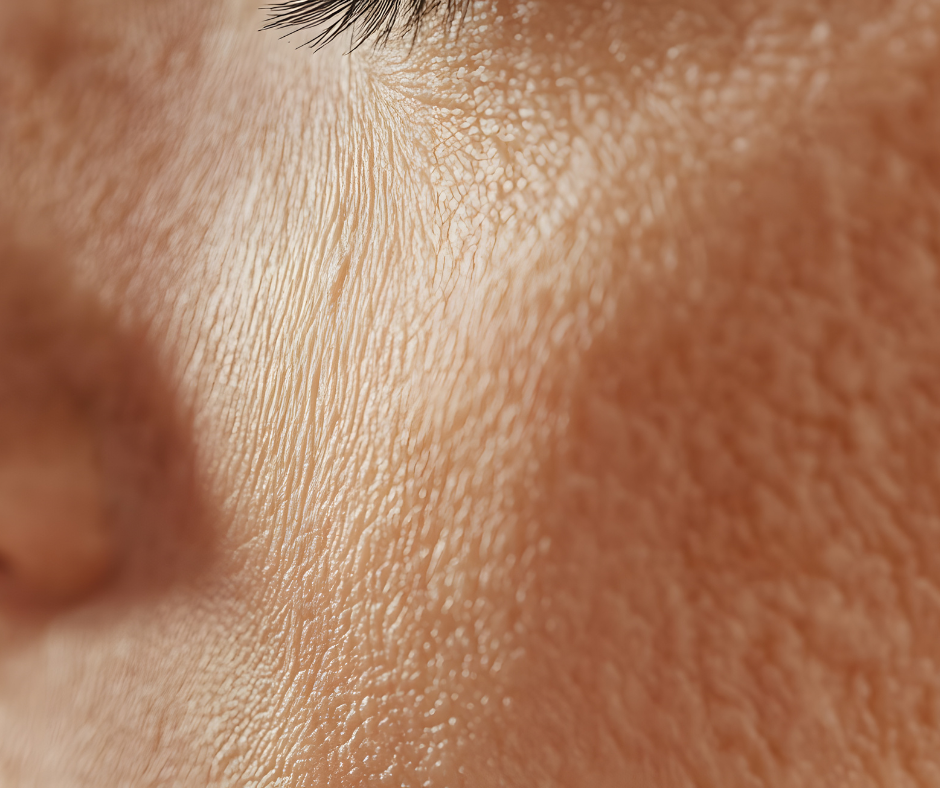
If you’ve struggled with acne scarring, it’s natural to ask, does microneedling actually remove acne scars? The short answer is that microneedling can significantly improve the appearance of acne scars, but it doesn’t erase them overnight. Instead, it works by encouraging the skin to repair itself gradually, leading to a smoother texture and more even skin over time.
Microneedling works by creating controlled micro-injuries in the skin using fine needles. These tiny channels trigger the body’s natural healing response, stimulating collagen and elastin production. Because acne scars are caused by damage to the skin’s collagen structure, encouraging new collagen growth helps soften depressions and uneven texture.
Over time, as collagen rebuilds, the skin becomes stronger and more uniform, reducing the visibility of scars.
Microneedling is most effective for atrophic acne scars, such as rolling and boxcar scars, which sit below the surface of the skin. These scars respond well to collagen stimulation. Shallow scars and uneven texture often show noticeable improvement after a course of treatments.
Deep ice-pick scars, however, tend to be more resistant and may require combination treatments like CO2 Laser for optimal results. Microneedling can still improve overall skin quality in these cases, but expectations need to be realistic.
Results from microneedling are gradual rather than instant. Most people begin to notice improvements in texture and smoothness after a few sessions, with continued progress over several months as collagen production increases. Skin often looks more refined, pores appear smaller, and scars become less noticeable rather than completely disappearing.
A course of treatments spaced several weeks apart is usually recommended, followed by maintenance sessions if needed.
Microneedling is popular because it improves acne scars with minimal downtime and is suitable for a wide range of skin types. Unlike more aggressive resurfacing treatments, it doesn’t rely on heat or deep exfoliation. That said, deeper or more complex scarring may respond better when microneedling is combined with other treatments, such as radiofrequency microneedling, laser therapy, or skin boosters.
Microneedling doesn’t completely offer acne scar removal, but it does work to reduce their appearance by rebuilding collagen and strengthening the skin. With the right treatment plan and realistic expectations, microneedling can lead to smoother, healthier-looking skin and a noticeable improvement in acne scarring over time.
Microneedling is highly effective for improving the appearance of acne scars, particularly shallow to moderate atrophic scars such as rolling and boxcar scars. By stimulating collagen production, it helps strengthen the skin and smooth uneven texture over time. While it doesn’t completely remove scars, many people see a noticeable reduction in depth and visibility after a course of treatments, along with improved skin tone and texture.
Acne scars are not removed instantly with microneedling. Most people begin to see improvement after two to three sessions, with more visible results developing over three to six months as collagen continues to rebuild. The full benefit often appears several months after completing a treatment course, since collagen regeneration is a gradual process.
For deep acne scars, microneedling is typically performed every four to six weeks to allow proper healing and collagen formation between sessions. A course of four to six treatments is commonly recommended, although deeper scars may require additional sessions or combination treatments for optimal results. Spacing treatments correctly is essential to avoid over-stimulation and to achieve the best long-term outcome.
