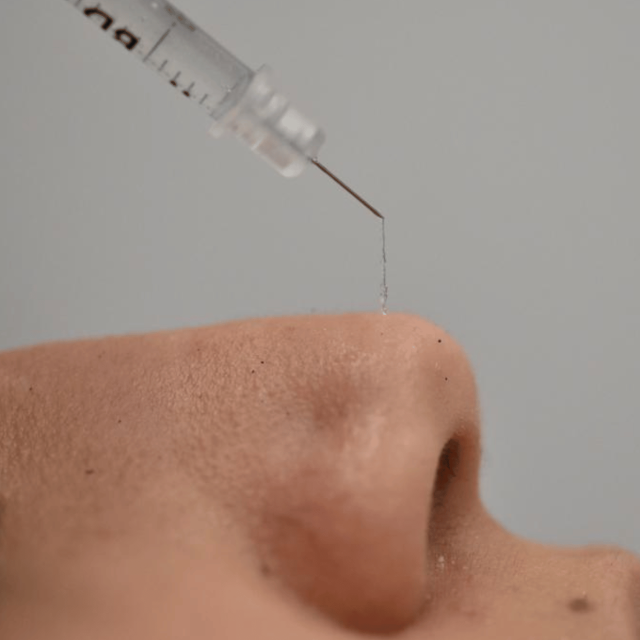
Non-surgical rhinoplasty uses fillers to change the shape of the nose. At SRGN, Dr Ayad’s 3-point Rhino® technique offers an alternative to nose surgery for suitable patients.
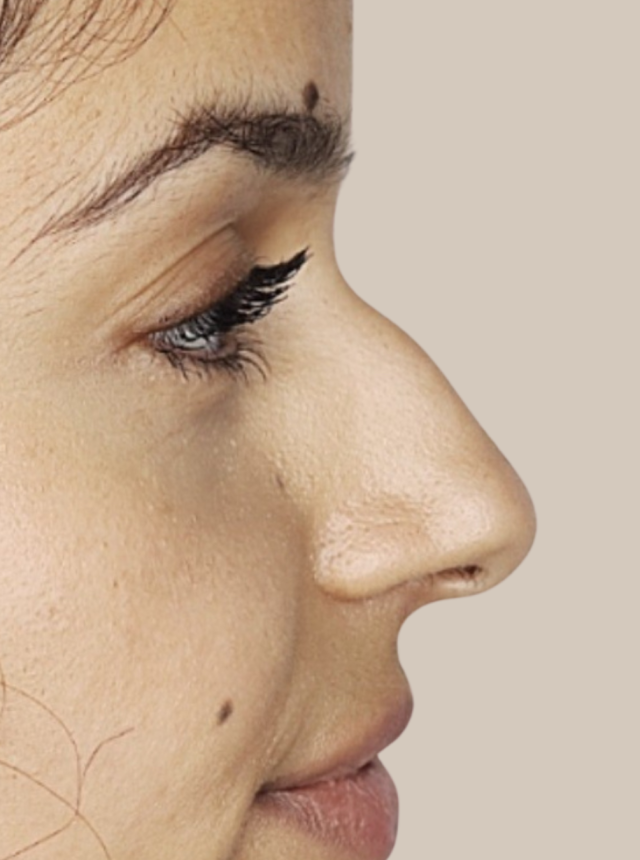
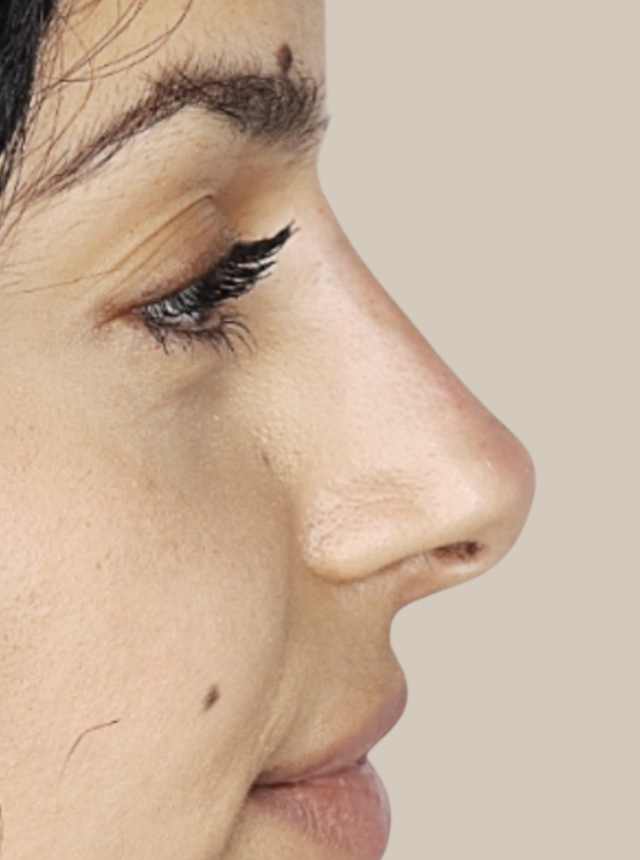




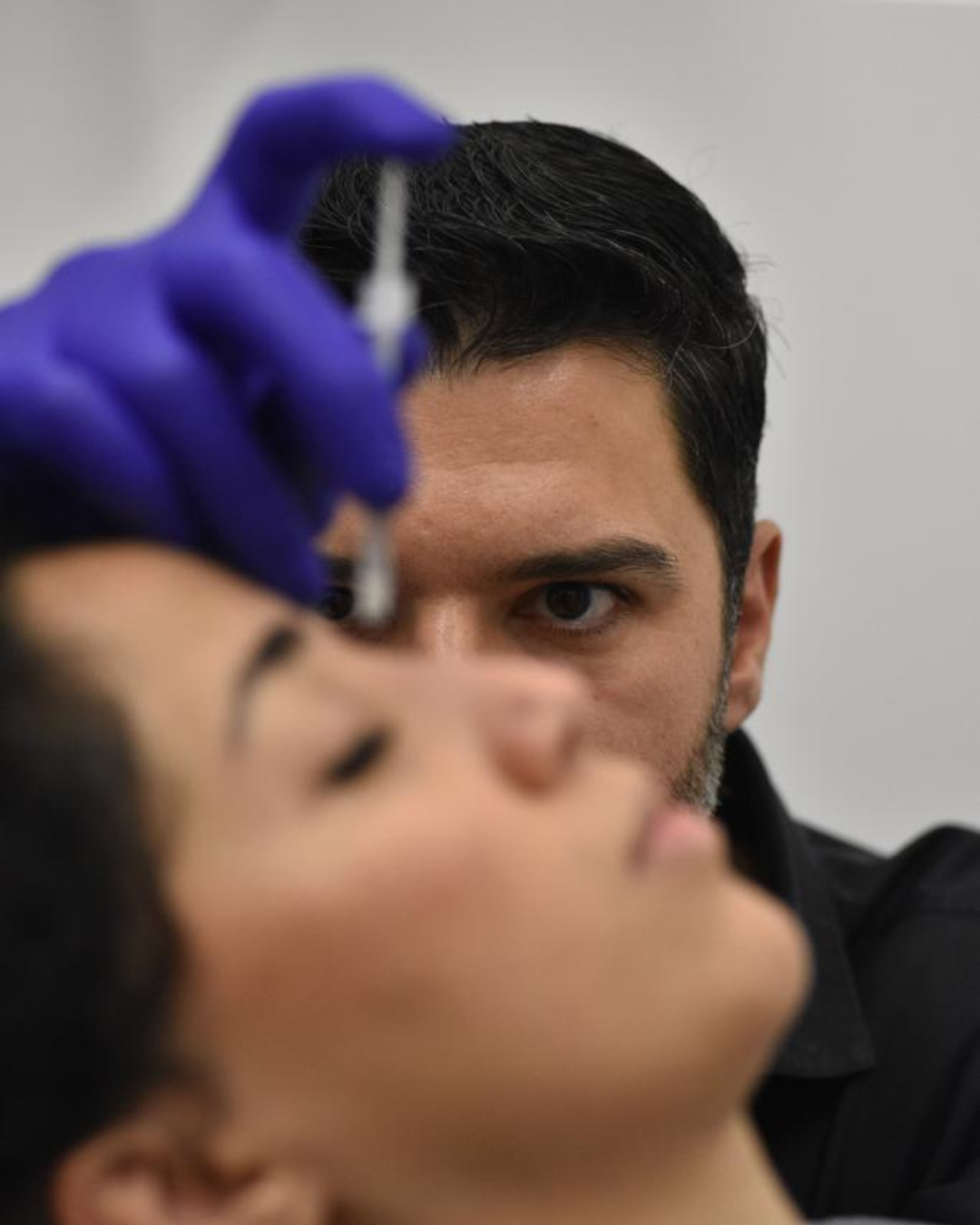
Non-surgical rhinoplasty uses injectable dermal filler to adjust selected contours of the nose. It may help disguise a small hump or improve profile balance, but it adds volume rather than making the nose smaller. A consultation helps determine whether filler, surgery or no treatment is appropriate.
Treatment may improve the appearance of selected contour irregularities or asymmetry. It cannot deliver every change achievable with surgery. Breathing problems need medical assessment rather than an assumption that cosmetic filler will address them.
SRGN’s practice is led by Dr Ayad Harb. At consultation, discuss the change you want, previous nose procedures, your medical history and any existing filler. Your practitioner should explain the proposed product, approach, alternatives and aftercare before you decide.
A previously operated nose requires particular assessment. Tell your practitioner about all previous surgery and injections, even if they took place many years ago.
SRGN currently lists a treatment time of 15–30 minutes. Allow additional time for assessment and consent. Changes may be visible immediately, although swelling can affect the early appearance. Longevity and the need for further treatment vary between patients.
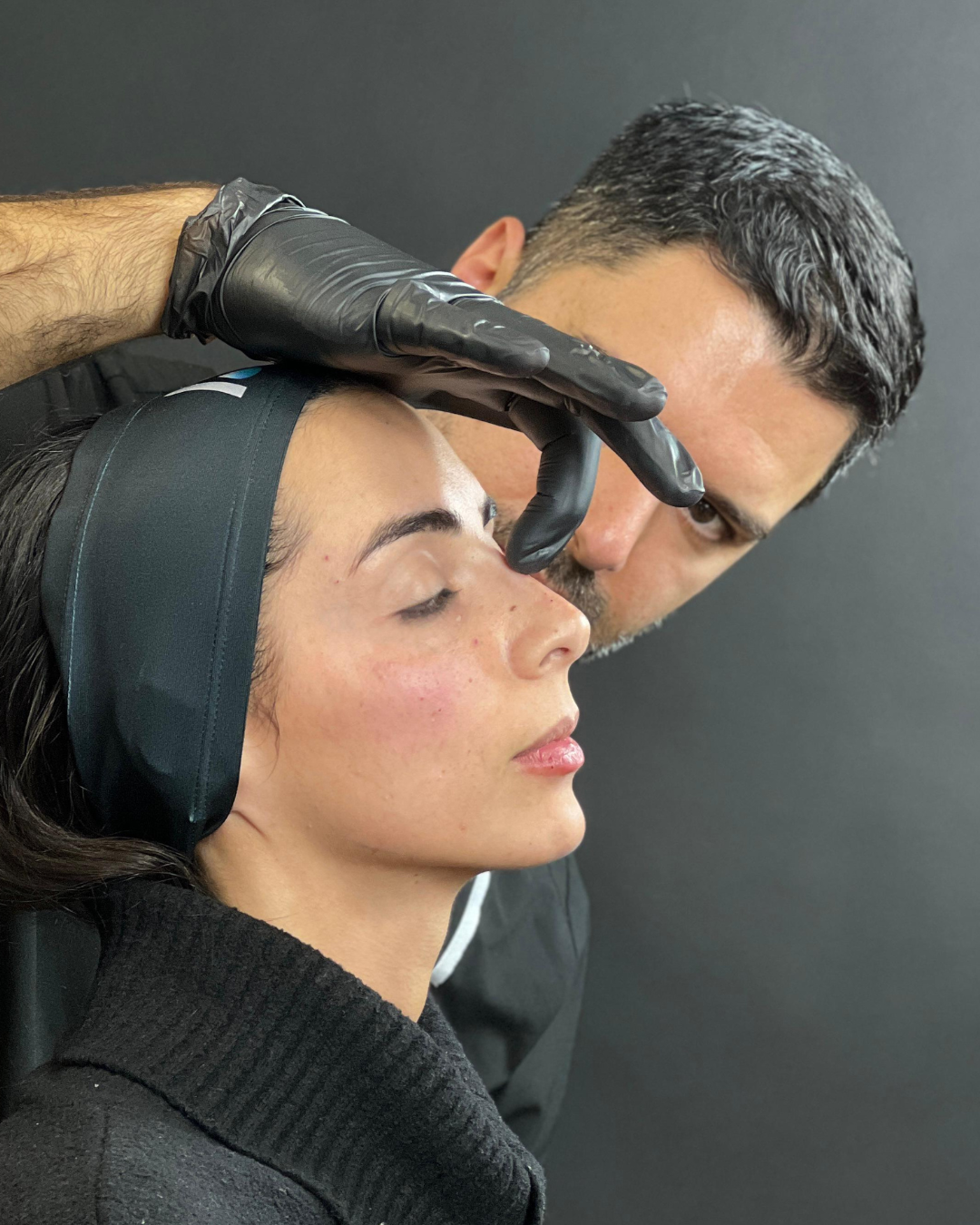
Possible effects include tenderness, swelling, bruising, infection and an uneven result. A serious complication is filler obstructing a blood vessel, which can damage skin and, in rare cases, affect vision. Practitioner experience and precautions do not remove all risk.
Some hyaluronic acid fillers can be dissolved, but this does not make treatment risk-free or guarantee that a complication can be reversed. Ask how the clinic recognises and manages complications and how to contact the team after treatment.
Check SRGN’s current price information and confirm your chosen practitioner, clinic and what is included before booking. Consultation availability and treatment availability may differ by location.
Filler may suit selected contour changes. Surgery may be needed for structural changes or reducing size. Each has different risks and recovery requirements. Your assessment should explore both where relevant.
Arrange a consultation to discuss your options.
Independent information: NHS guidance on choosing a cosmetic practitioner.
You may feel pinching or pressure during injections, and tenderness afterwards. Comfort varies between patients. Ask your practitioner about pain relief and what to expect.
Possible effects include swelling, bruising, infection and an uneven result. Serious complications include filler obstructing blood supply, with potential skin damage and, rarely, vision loss. Some fillers can be dissolved, but this does not guarantee reversal of complications. Your practitioner should explain your individual risks and the clinic’s complication support.
Some patients return to routine activities quickly, but swelling or bruising can affect work and social plans. Discuss the recovery you should allow for your particular treatment.
Nose filler changes selected contours by adding volume. Surgery can address structural concerns and may reduce size. They have different risks, recovery and maintenance requirements; assessment helps establish the appropriate option.
Suitability depends on the change you want, anatomy, medical history and previous procedures. Filler cannot make every desired change and does not remove tissue. Tell your practitioner about all previous surgery and injections before considering treatment.
