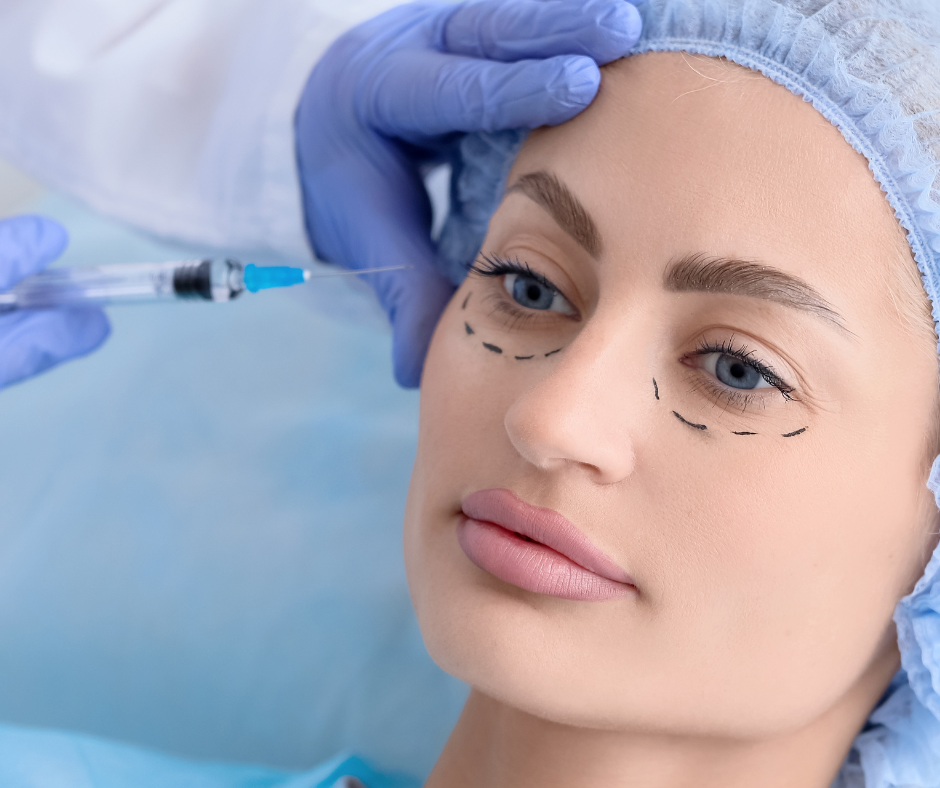
A question Dr Ayad Harb is frequently asked by patients considering eyelid surgery is, how long will a lower blepharoplasty last? The reassuring answer is that lower blepharoplasty offers long-lasting, often permanent results. Unlike non-surgical treatments that require regular maintenance, lower eyelid surgery addresses the structural causes of under-eye bags and hollowing, making it a durable solution for ageing around the eyes.
Lower blepharoplasty is designed to treat under-eye bags, excess skin, and fat protrusion that develop with age or genetics. Dr Ayad Harb explains that these changes occur due to weakening of the tissues supporting the eye area, allowing fat to bulge forward and skin to lose elasticity. Surgery repositions or removes excess fat and tightens the area, restoring a smoother, more rested appearance.
Because the underlying anatomy is corrected, the results are not temporary.
In most cases, the results of a lower blepharoplasty last up to 10 years or longer, and for many patients, they are effectively permanent. Dr Ayad Harb notes that while the ageing process continues, the specific concerns treated by lower blepharoplasty, such as under-eye bags, rarely return to their original state.
Patients may continue to age naturally, but they usually look consistently fresher than if surgery had never been performed.
Dr Ayad Harb explains that several factors can influence how long results appear optimal. These include skin quality, genetics, sun exposure, smoking, and overall lifestyle. Good skincare, sun protection, and maintaining skin health can help preserve results for as long as possible.
Importantly, lower blepharoplasty is not affected by facial movement in the same way as upper eyelid surgery, which is another reason its results tend to last longer.
Most patients do not need repeat lower blepharoplasty. In rare cases, some individuals may choose additional skin tightening or non-surgical treatments years later to address fine lines or skin laxity, but this is usually complementary rather than corrective. Dr Ayad Harb emphasises that the structural improvement achieved with surgery remains.
Non-surgical treatments such as tear trough filler or skin tightening can temporarily improve the under-eye area, but they do not offer the same longevity. Dr Ayad Harb explains that lower blepharoplasty is often chosen by patients who want a once-and-done solution rather than ongoing maintenance.
According to Dr Ayad Harb, lower blepharoplasty delivers long-term, often lifelong improvement to under-eye bags and contour. While the face continues to age naturally, the results remain stable for many years, making it one of the most enduring facial rejuvenation procedures available. When performed with precision and appropriate patient selection, lower blepharoplasty offers lasting refinement rather than temporary change.
Most people do not regret lower blepharoplasty and report high satisfaction with their results. Dr Ayad Harb explains that regret is uncommon when the procedure is performed for the right reasons, with realistic expectations and careful surgical planning. Patients often appreciate the long-term improvement in under-eye bags and tired appearance. Dissatisfaction is more likely when surgery is rushed or expectations are unrealistic, which is why thorough consultation and expert assessment are essential.
Lower blepharoplasty is considered a low-risk procedure when performed by an experienced surgeon. As with any surgery, there are potential risks, including swelling, bruising, temporary dryness, or minor asymmetry during healing. More serious complications, such as infection or vision disturbance, are rare. Dr Ayad Harb emphasises that meticulous technique, proper patient selection, and adherence to aftercare instructions significantly reduce risk.
No, blepharoplasty does not treat blepharitis. Blepharitis is an inflammatory condition affecting the eyelid margins and oil glands, while blepharoplasty is a surgical procedure that addresses excess skin or fat. Dr Ayad Harb advises that blepharitis should be managed with appropriate eyelid hygiene and medical treatment before considering surgery, as controlling inflammation is important for optimal healing and outcomes.
