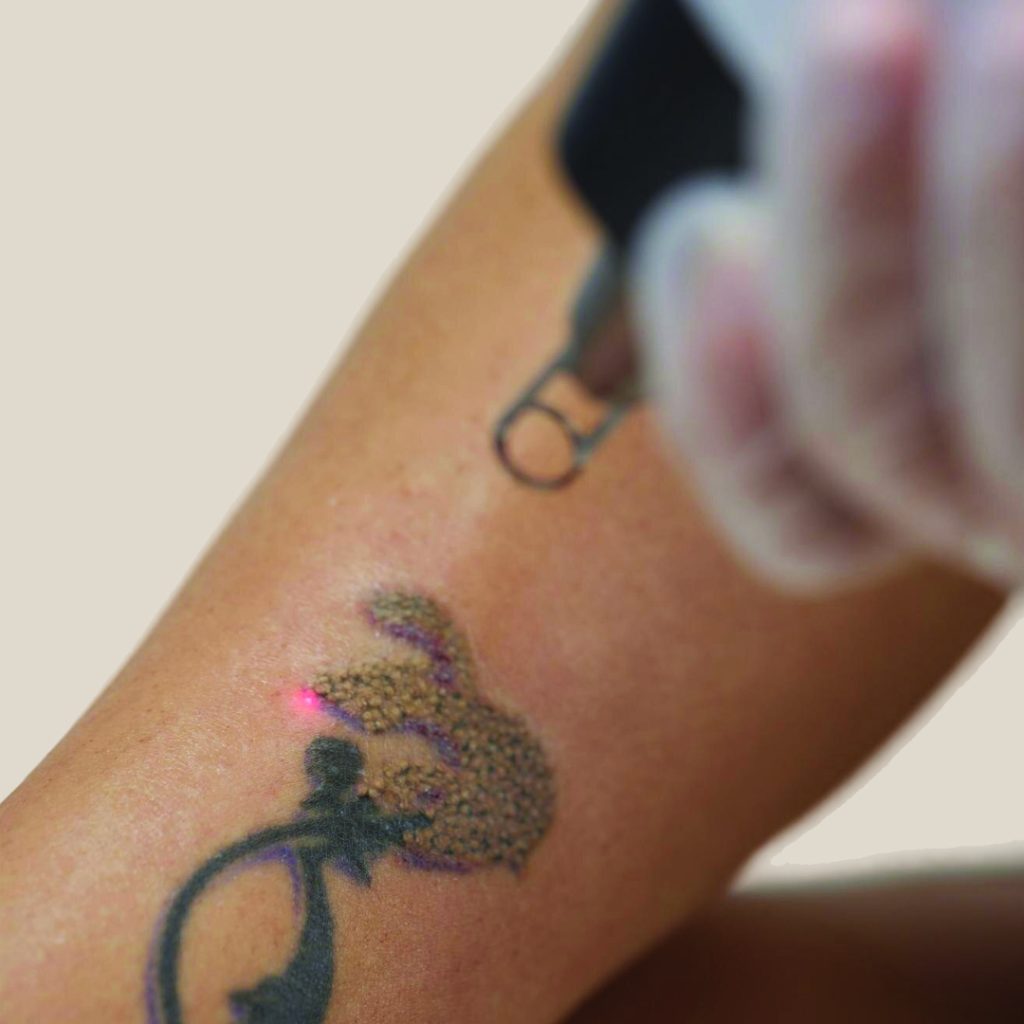
Tattoo removal is a gradual process that requires patience and careful planning. While many expect quick results, the reality is that removing a tattoo safely takes time. This leads to a common question: how many months does tattoo removal take from start to finish? The answer depends on several factors, including the tattoo itself, the technology used, and how the body responds to treatment.
Understanding the timeline helps set realistic expectations and ensures the process is approached safely.
Tattoo ink sits deep within the dermis, where it is protected from natural breakdown. Laser treatments work by breaking the ink into smaller particles, which are then gradually removed by the body’s immune system. This process cannot be rushed.
After each session, the body needs time to clear the fragmented pigment. Rushing treatments too close together can increase the risk of irritation or complications, which is why sessions are spaced apart.
When asking how many months does tattoo removal take from start to finish, most patients can expect the process to take anywhere between 6 and 18 months.
Treatments are usually spaced around 6 to 8 weeks apart, sometimes longer, depending on how the skin heals and how the pigment responds. A small, simple tattoo may fade more quickly, while larger or multi-coloured tattoos often require additional sessions and a longer timeline.
The goal is not just to remove the tattoo, but to do so safely while protecting the surrounding skin.
Several factors influence how quickly a tattoo can be removed. Darker inks, particularly black, tend to respond more efficiently to laser treatments, while colours such as green, yellow, or blue may take longer.
The age of the tattoo also plays a role. Older tattoos may have already faded slightly, making them easier to treat. Placement on the body is another consideration, as areas with better circulation often heal faster and respond more effectively.
Individual immune response is equally important. Since the body is responsible for clearing the broken ink particles, overall health and lifestyle can impact how quickly results appear.
Laser Tattoo removal is not a single treatment but a series of gradual improvements. After each session, the tattoo will begin to fade over the following weeks as the body processes the pigment.
Some sessions may produce more visible results than others, depending on the stage of removal and the remaining ink. Consistency and patience are key to achieving the best outcome.
Understanding how many months tattoo removal takes from start to finish helps patients approach the process with realistic expectations. While it may take time, the gradual fading ensures that the skin is treated safely, leading to clearer and more even results over the long term.
Tattoo removal typically takes between 6 and 18 months, depending on factors such as the size, colour, and depth of the ink, as well as how the body responds to treatment. Sessions are usually spaced several weeks apart to allow the skin to heal and the immune system to clear fragmented pigment. Consistency and patience are essential for achieving safe and effective results.
There is no strong clinical evidence to suggest that tattoos reduce cortisol levels in a meaningful or lasting way. While some people report feeling more confident or emotionally satisfied after getting a tattoo, which may temporarily influence stress levels, this effect is psychological rather than physiological. Overall, tattoos do not play a significant role in regulating stress hormones in the body.
Tattoo removal treatments are not typically performed every two weeks, as the skin needs time to heal and the body requires time to clear the broken ink particles. Most protocols recommend spacing sessions around 8 to 12 weeks apart. Treating too frequently can increase the risk of irritation, delayed healing, or unwanted side effects without improving the overall outcome.
