Posted on 14 November 2025
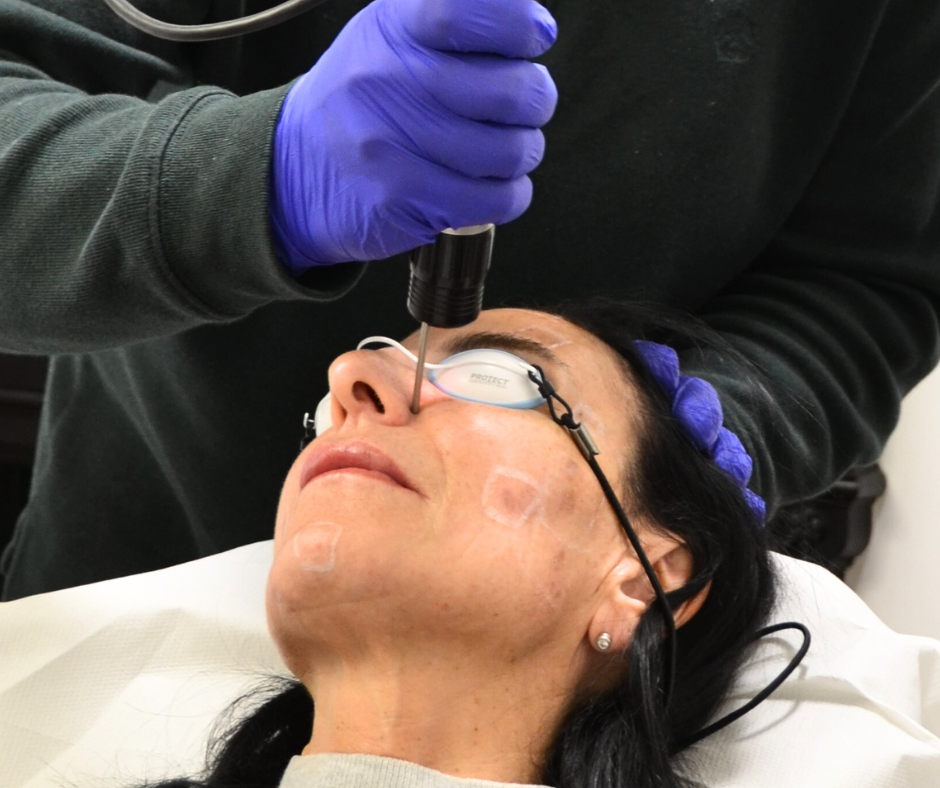
Patients often ask Dr Victoria Das, how reliable is PicoStar laser technology for skin treatments? With the growing number of laser devices on the market, it’s a sensible question. According to Dr Das, PicoStar is regarded as a highly reliable and clinically advanced picosecond laser, widely used for pigmentation, skin rejuvenation, acne scarring, and tattoo removal. Its precision, safety profile, and consistency of results make it a trusted option in modern aesthetic practice.
PicoStar is a picosecond laser, meaning it delivers energy in trillionths of a second. This ultra-short pulse duration creates a powerful photoacoustic effect, breaking pigment and stimulating collagen without excessive heat. Dr Victoria Das explains that this is what makes PicoStar both effective and gentle; it targets the concern precisely while minimising trauma to surrounding skin.
The device operates with multiple wavelengths, allowing it to treat a wide range of skin concerns and tones safely. This versatility is a key reason PicoStar is considered a dependable technology rather than a single-purpose laser.
Reliability in laser treatments comes down to predictable outcomes and patient safety. Dr Das notes that PicoStar has a strong safety record when used correctly, with low risk of post-inflammatory pigmentation or prolonged downtime. Most patients experience only mild redness that settles quickly, making it suitable even for those with sensitive or reactive skin.
Because the energy delivery is controlled and consistent, results tend to be gradual but dependable. Improvements in skin clarity, tone, and texture often build over a series of treatments rather than relying on a single aggressive session.
Dr Victoria Das highlights PicoStar as particularly reliable for hyperpigmentation treatment, sun damage, uneven skin tone, acne scar removal, and fine lines. It is also widely used for tattoo removal due to its ability to fragment ink particles efficiently. For skin rejuvenation, PicoStar stimulates collagen production, leading to smoother, firmer skin over time rather than an abrupt or artificial change.
While PicoStar itself is an advanced and dependable device, Dr Das emphasises that reliability also depends on expert assessment and correct treatment protocols. Skin type, concern depth, and treatment spacing all influence outcomes. When used as part of a tailored treatment plan, PicoStar delivers consistent, natural-looking improvements that align with long-term skin health.
According to Dr Victoria Das, PicoStar is a highly reliable, evidence-based laser technology with a strong balance of safety, precision, and effectiveness. Its ability to treat multiple concerns with minimal downtime makes it a trusted choice for both patients and practitioners. When combined with expert application and realistic expectations, PicoStar offers dependable results that improve skin quality gradually and naturally.
PicoStar and PicoSure are both advanced picosecond laser systems, but they are designed slightly differently. PicoStar offers multiple wavelengths, allowing it to treat a broader range of pigmentation types, tattoo colours, and skin tones. PicoSure operates primarily at a single wavelength and is particularly well known for pigment and collagen stimulation. Rather than one being universally “better,” PicoStar is often preferred for versatility and customisation, while PicoSure remains effective for specific concerns. The best option depends on skin type, treatment goals, and practitioner expertise.
Yes, pico laser technology is clinically proven to work. By delivering energy in ultra-short pulses, pico lasers break pigment into tiny particles and stimulate collagen without excessive heat damage. This makes them effective for treating pigmentation, acne scars, fine lines, and tattoos. Results are typically gradual and build over a series of sessions, producing natural-looking improvements in skin tone, texture, and clarity.
While pico lasers are highly effective, they do have some limitations. Multiple sessions are usually required, particularly for deeper pigmentation or tattoo removal. Results are progressive rather than instant, which may not suit those seeking immediate change. Temporary redness, mild swelling, or sensitivity can occur after treatment, although downtime is minimal. As with all laser treatments, outcomes depend heavily on correct settings and practitioner experience, making proper assessment essential.
