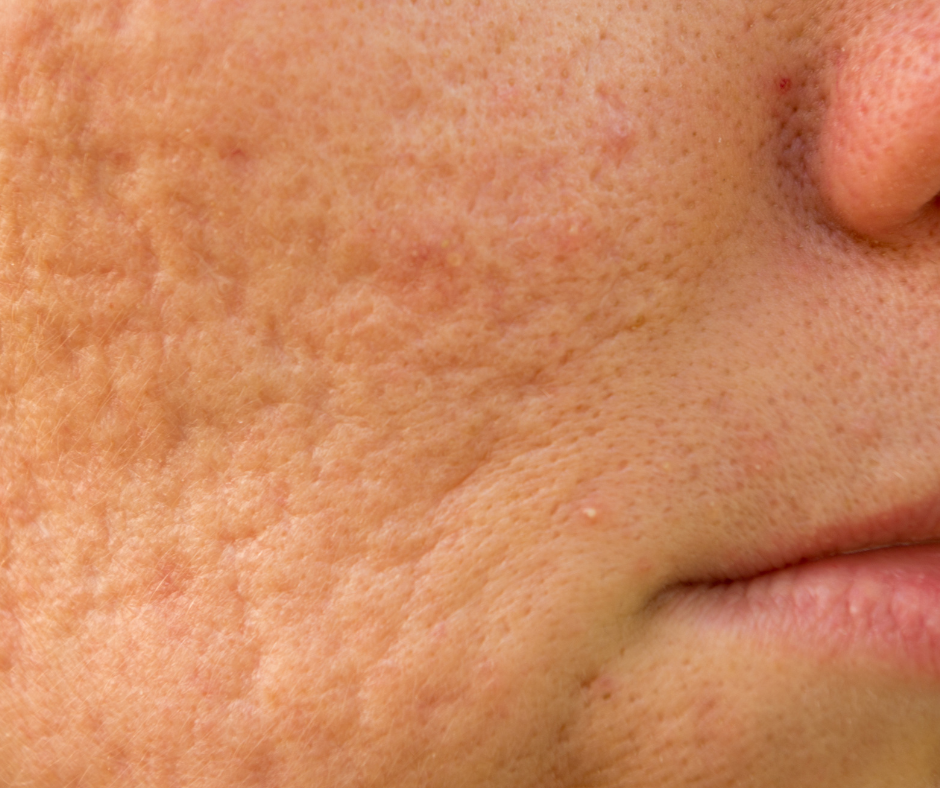
Acne scars can linger long after breakouts have healed, leaving visible reminders on the skin that affect confidence and self-esteem. These scars form when the skin’s healing process is disrupted, often due to severe acne, delayed treatment, inflammation, or picking at blemishes. Understanding the type of acne scar, whether atrophic scars (such as ice-pick, rolling, and boxcar scars) or hypertrophic and keloid scars (raised, firm scars), is essential when choosing the most effective treatment approach.
While acne scars are notoriously difficult to treat, advances in aesthetic medicine now allow for significant, long-term improvement. At SRGN, acne scarring is approached with precision, combining multiple technologies and techniques to treat scars at their source rather than masking them. Here’s how SRGN treats acne scars through a structured, personalised process designed to restore smoother, more even skin.
Every successful acne scar removal begins with a comprehensive consultation. SRGN’s specialists assess your skin type, scar pattern, depth, and overall skin health using VISIA 3D skin analysis. This advanced imaging allows practitioners to evaluate texture irregularities, pigmentation, redness, and underlying damage not always visible to the naked eye.
This detailed assessment ensures that treatment is targeted, safe, and appropriate, avoiding unnecessary procedures while maximising results.
Acne scars rarely respond to a single treatment. Different scar types require different approaches, which is why SRGN designs bespoke treatment plans combining multiple modalities. Options may include laser treatments, microneedling, radiofrequency, injectable techniques, and regenerative therapies, all carefully layered based on scar behaviour and skin response.
For deeper atrophic acne scars, CO2 laser resurfacing remains one of the most effective treatment options. This technology works by creating controlled micro-injuries in the skin, removing damaged surface layers while stimulating collagen production deep within the dermis. Over time, this leads to smoother texture and improved skin firmness.
CO2 laser resurfacing may be delivered as:
For patients with acne scarring combined with redness or post-inflammatory changes, SylfirmX radiofrequency microneedling is often introduced. SylfirmX delivers controlled RF energy through microneedles, stimulating collagen while also targeting abnormal blood vessels that contribute to persistent redness.
SylfirmX is particularly effective for rolling scars, textural irregularities, and sensitive or rosacea-prone skin, making it an excellent option when traditional microneedling alone is not sufficient.
For tethered acne scars, where scar tissue pulls the skin downward, subcision is a critical step. This technique releases the fibrous bands beneath the scar, allowing the skin to lift. At SRGN, subcision is often combined with dermal filler to support the released area, prevent reattachment, and encourage smoother healing.
This approach is particularly effective for deep rolling scars that do not respond fully to surface treatments alone.
For hypertrophic or keloid acne scars, SRGN may use steroid injections to reduce inflammation, flatten raised tissue, and soften scar texture. These injections help control excessive collagen production, gradually improving scar appearance and comfort over time. Treatment is carefully spaced and monitored to avoid over-treatment.
In cases where acne scarring is accompanied by skin laxity or uneven contour, Endolift may be introduced. Endolift uses laser energy delivered beneath the skin to stimulate collagen contraction and tissue remodelling. While not a primary acne scar treatment, it plays an important role in improving overall skin structure, firmness, and scar integration, particularly in the lower face.
To further refine results, SRGN may combine treatments such as:
These treatments are carefully timed and layered to enhance results while allowing adequate recovery.
Aftercare is a vital part of acne scar treatment. Following procedures such as CO2 laser or subcision, patients may experience redness, swelling, or peeling. SRGN provides detailed post-treatment guidance, including skincare recommendations and sun protection protocols, to ensure optimal healing and long-term results.
Treating acne scars is a journey, not a one-off procedure. Improvements continue over months as collagen remodels and skin strength improves. For many patients, the impact goes beyond appearance, restoring confidence and comfort in their own skin.
How SRGN treats acne scars: a step-by-step guide reflects a commitment to personalised care, advanced technology, and medically led treatment planning. By combining laser resurfacing, SylfirmX, subcision, injectable therapies, and regenerative treatments such as Endolift, SRGN offers a comprehensive approach to even the most challenging acne scars.
Clearing acne scars often requires a tailored approach, as the best method depends on the type and severity of the scars. Treatments such as chemical peels, microneedling, and laser therapies can help improve the texture and appearance of your skin. For example, microneedling stimulates collagen production, which can smooth out scars over time, while laser resurfacing, such as CO2 laser treatment, targets deeper scars by promoting skin renewal. It's essential to consult with a qualified professional to determine the most suitable treatments for your specific skin type and scarring.
The best treatment for acne scars depends on the kind of scars you have. Atrophic scars (ice-pick, boxcar, or rolling scars) may benefit from treatments like fractional CO2 laser resurfacing or microneedling, which promote collagen production and improve skin texture. Chemical peels can address discolouration, while non-ablative laser therapies are effective for reducing pigmentation issues. Raised scars, such as hypertrophic or keloid scars, might require a different approach, like steroid injections or targeted treatments. Consulting with our skin specialist is key to identifying the most effective treatment for your unique skin needs.
While some mild acne scars may fade over time, deeper scars often require professional treatment to achieve noticeable improvement. The body naturally remodels collagen in the skin, but this process is slow and may not completely eliminate scars. Treatments like laser resurfacing, microneedling, and chemical peels can significantly reduce the appearance of acne scars, helping to smooth the skin and improve its overall texture. With the right approach and patience, you can achieve substantial improvements, but it’s important to manage expectations as complete scar removal is not always possible.
