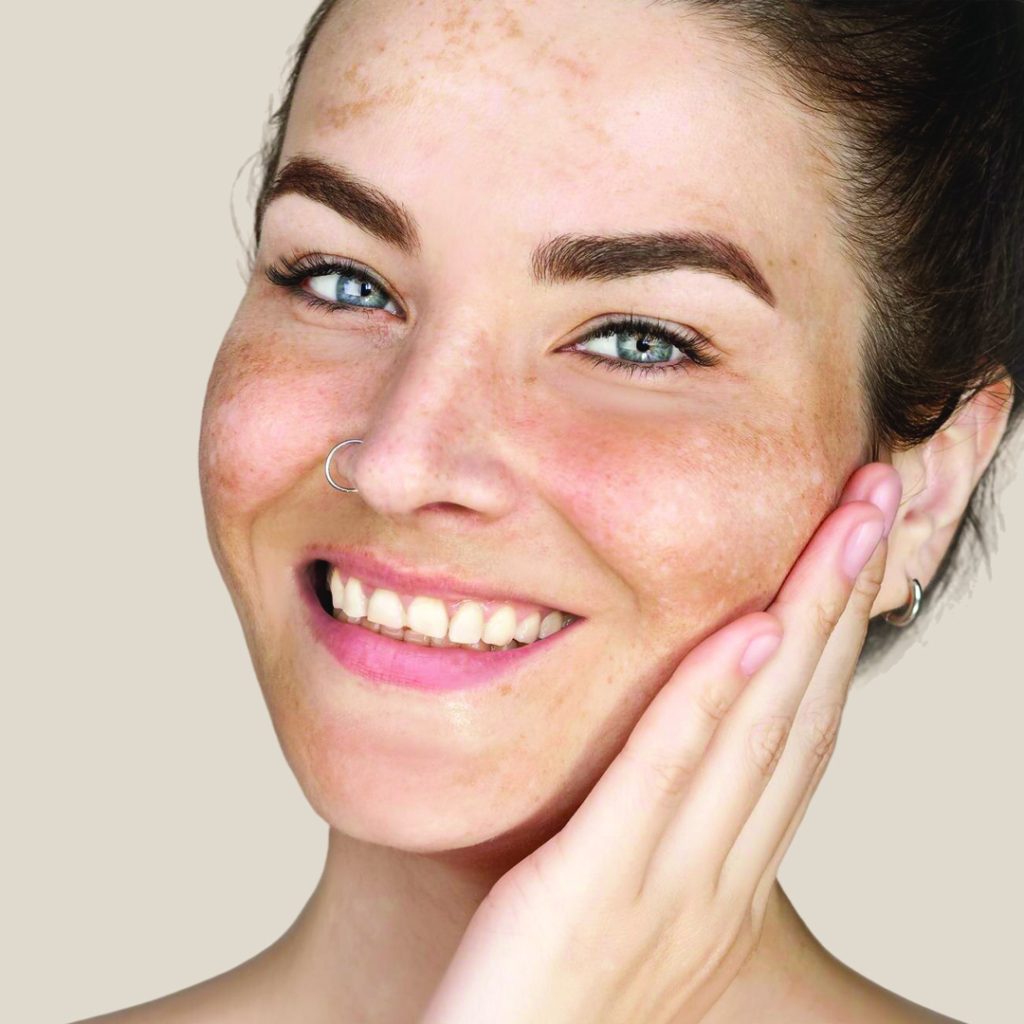
Pigmentation is one of the most common skin concerns, affecting people of all ages and skin types. It often appears as dark patches, uneven tone, or areas of discolouration that seem difficult to fade. A question frequently asked is: Is pigmentation caused by hormones or the sun? The answer is not always straightforward, as both play a significant role in how pigmentation develops and behaves.
Understanding the cause is essential when selecting the most appropriate pigmentation treatment and preventing it from returning.
Pigmentation occurs when the skin produces excess melanin, the pigment responsible for skin colour. This overproduction can be triggered by multiple factors, including inflammation, hormonal changes, and ultraviolet (UV) exposure.
While pigmentation may appear similar on the surface, its underlying cause determines how persistent it is and how effectively it responds to treatment.
When asking is pigmentation caused by hormones or sun damage, the reality is that both factors are often involved. Sun exposure is one of the most direct triggers, as UV rays stimulate melanocytes to produce more pigment. This is why pigmentation frequently worsens after time spent outdoors.
Hormones, however, can make the skin more reactive. Conditions such as melasma are strongly linked to hormonal fluctuations, particularly during pregnancy or periods of hormonal imbalance. In these cases, the skin becomes more sensitive to light, meaning even minimal sun exposure can trigger noticeable pigmentation.
In many individuals, pigmentation develops as a combination of both hormonal influence and sun exposure.
Ultraviolet radiation plays a key role in both the development and persistence of pigmentation. Even low levels of daily exposure can stimulate melanin production, causing existing pigmentation to darken and new patches to form.
This is why consistent sun protection is essential when managing pigmentation. Without it, even the most advanced pigmentation treatment may deliver only temporary results.
Hormonal pigmentation tends to appear in a symmetrical pattern, often across the cheeks, forehead, or upper lip. It can be more resistant to treatment and may fluctuate depending on internal hormonal changes.
Because hormones influence how the skin responds to UV exposure, this type of pigmentation often requires a more targeted and ongoing approach to achieve long-term improvement.
Treating pigmentation effectively requires addressing both the visible pigment and the underlying trigger. Advanced laser technologies are commonly used to break down excess melanin within the skin.
One approach involves the use of the Picostar laser, which delivers high-energy pulses to fragment pigment particles into smaller pieces. These particles are then gradually cleared by the body, helping to improve overall skin clarity and evenness.
This type of pigmentation treatment can be particularly effective for sun-induced pigmentation and certain types of stubborn discolouration. However, for hormonally driven pigmentation, treatment often needs to be combined with strict sun protection and ongoing skin management.
Understanding is pigmentation caused by hormones or sun highlights the importance of a combined treatment approach. While technology such as Picostar laser can significantly improve pigmentation, long-term results depend on protecting the skin and managing internal triggers where possible.
By combining targeted treatments with consistent skin care and sun protection, it is possible to achieve a more balanced, even complexion over time.
Hormonal pigmentation is most commonly linked to oestrogen and progesterone. These hormones can stimulate melanocytes, the cells responsible for producing pigment, making the skin more sensitive to light and more prone to developing dark patches. This is why conditions such as melasma often appear during pregnancy or hormonal changes. Managing this type of pigmentation usually requires a combination of targeted pigmentation treatment and consistent sun protection.
Korean skincare focuses on gentle, consistent approaches to improving skin clarity. This often includes regular exfoliation, hydration, and the use of brightening ingredients to gradually reduce pigmentation. In addition to skincare, advanced pigmentation treatment options such as laser therapies are commonly used to target deeper pigment. The emphasis is on maintaining skin health while achieving a clear, even-toned complexion over time.
Hormonal pigmentation can be more persistent and requires a structured approach. Effective pigmentation treatment often involves combining topical care with in-clinic procedures such as laser treatments that break down excess melanin. However, strict sun protection is essential, as UV exposure can quickly worsen the condition. Because hormonal triggers may still be present, ongoing maintenance is usually needed to keep the skin clear and balanced.
