
At SRGN Clinic, we understand that hormonal changes, from perimenopause through to postmenopause, can affect every aspect of your wellbeing. Our GP-led menopause service offers professional, personalised care in a discreet and supportive setting, with a focus on restoring balance and helping you feel more like yourself.

Menopause marks the end of your menstrual cycle, typically between the ages of 45 and 55. But for many, symptoms can begin earlier, during the perimenopausal stage, and affect both body and mind.
Common symptoms include:
Each woman’s experience is unique, and at SRGN Clinic, we treat it that way.
This consultation provides the space, time, and expertise to address concerns that are often overlooked. Whether you’ve just started noticing changes or have been living with symptoms for some time, we’re here to listen and support you.
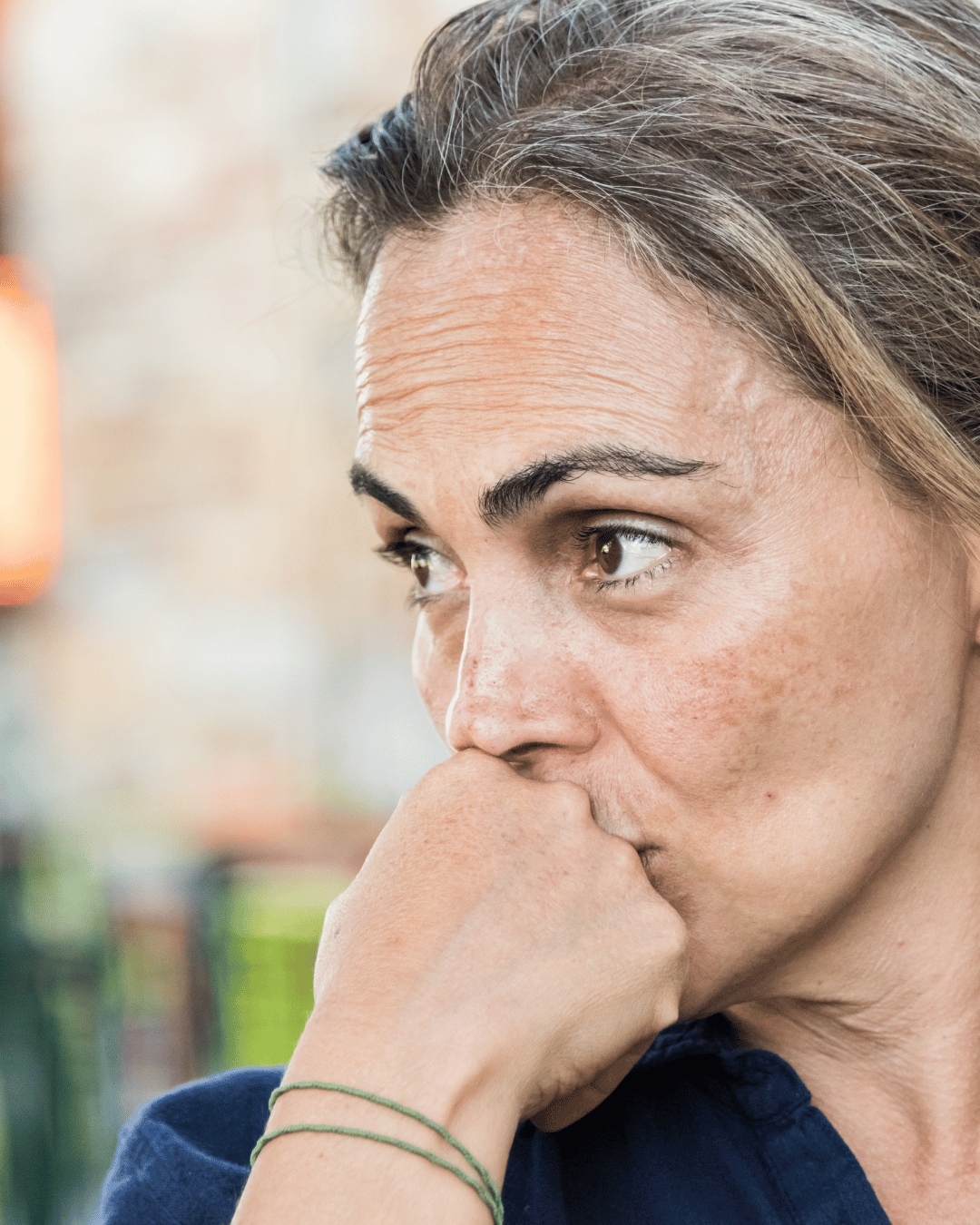
Duration: 45 minutes
Available in Bicester and Ascot
Our Women’s Health & Hormone Assessment is a doctor-led consultation designed to support you through any stage of hormonal change, from menstrual irregularities and fertility planning, to perimenopause and postmenopausal symptoms.
This is not a one-size-fits-all check-up. It’s a thorough, confidential health screen tailored to your symptoms, life stage, and personal concerns. With a focus on medical insight, lifestyle factors, and future planning, your GP will help you understand what’s happening in your body and what support is available.
Women experiencing hormonal symptoms such as hot flushes, mood changes, or fatigue
An experienced private GP leads all consultations with clinical expertise in women’s health. This ensures your care is medically guided, up to date with the latest evidence, and sensitive to the emotional and physical challenges hormonal change can bring.
We do not offer generic solutions, only thoughtful, informed care tailored to you.
Menopause shouldn’t be something you simply “put up with”. At SRGN, we believe women deserve thorough, respectful care at every life stage.
Many women manage menopause without hormone replacement therapy (HRT) by making lifestyle changes such as improving diet, reducing stress, increasing exercise, and improving sleep. Non-hormonal medications and supplements may also help with symptoms like hot flushes or low mood. At SRGN Clinic, we offer personalised guidance on natural and medical options to support you.
Menopause is often described in five key phases:Premenopause – when hormone levels are normal, and symptoms haven’t started.Early Perimenopause – cycles may become irregular, with early symptoms like mood changes.Late Perimenopause – more pronounced symptoms and skipped periods.Menopause – officially diagnosed after 12 months without a period.Postmenopause – the years following menopause, when symptoms may continue but gradually ease.
The best treatment depends on your symptoms, health history, and preferences. HRT is often effective for relieving hot flushes, mood changes, and sleep disruption. However, non-hormonal approaches, such as lifestyle changes, supplements, and cognitive behavioural therapy, may also help. At SRGN Clinic, our GP provides tailored advice based on your needs.
Menopause can be managed through a combination of medical support, lifestyle adjustments, and emotional wellbeing strategies. Regular exercise, a balanced diet, reduced alcohol intake, stress management, and quality sleep all play a role. Consulting a menopause-trained GP, like those at SRGN Clinic, can help create a plan that works for you.
Yes — some women manage symptoms naturally through lifestyle changes, herbal supplements, or therapies such as acupuncture or yoga. While results vary, natural approaches may help with mood, sleep, and mild symptoms. At SRGN Clinic, we can advise on safe, evidence-based natural options and when to consider medical support.
Menopausal symptoms can last anywhere from 4 to 10 years, though the average is around 7 years. Symptoms often begin during perimenopause and gradually ease in the postmenopausal years. The duration and intensity vary from woman to woman.
Many women find late perimenopause the most challenging, as hormone levels fluctuate more dramatically. This stage often brings the most noticeable symptoms — including hot flushes, night sweats, mood changes, and disrupted sleep — just before periods stop completely.
Popular supplements include vitamin D, magnesium, B vitamins, omega-3, and black cohosh. Some women also find support from phytoestrogens (plant oestrogens) such as red clover or soy isoflavones. While supplements may help, it’s best to consult a GP before starting any new regime, especially if you have health conditions or take medications.
Though not formally defined in seven stages, some experts break perimenopause into a progression like:Cycle changes beginMood and sleep disturbancesHot flushes and hormonal shiftsIrregular or missed periodsIntensifying symptomsFinal periodTransition into menopauseYour experience may not follow these exactly, but understanding the stages can help you recognise what’s happening and seek timely support.
