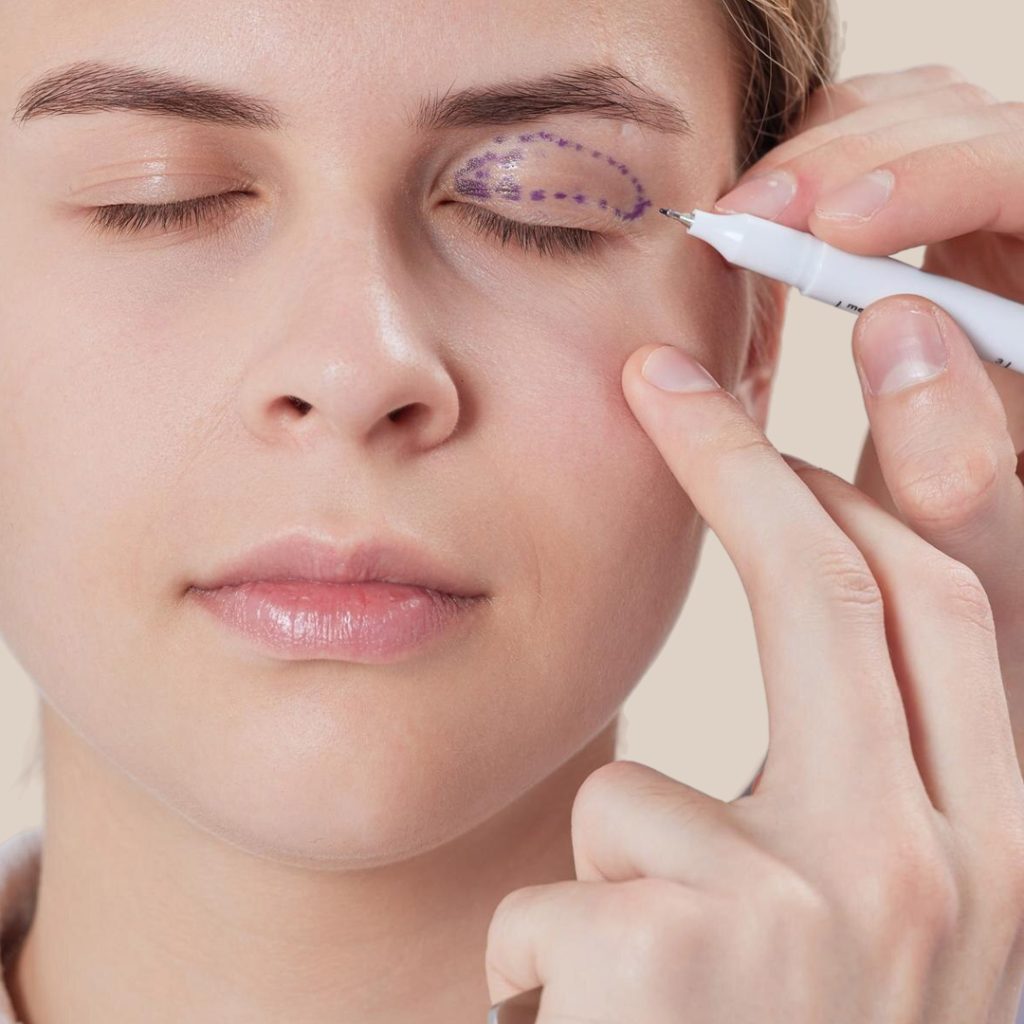
The eye area is often the first place where ageing becomes visible. Drooping upper eyelids, puffiness under the eyes, and excess skin can make the face appear tired or older than it actually is. For this reason, many people explore surgical solutions that restore a brighter, more open appearance. One of the most effective procedures for addressing these concerns is eyelid surgery, commonly known as blepharoplasty. Understanding what blepharoplasty is and how it works helps patients make informed decisions about whether this procedure may be suitable for their goals.
Dr Ayad Harb explains that blepharoplasty is a surgical procedure designed to remove excess skin or fat from the eyelids. Over time, the skin around the eyes loses elasticity, and the supporting muscles weaken, which can cause the upper eyelids to sag or the lower eyelids to appear puffy.
This procedure focuses on restoring a smoother and more refreshed eye area while maintaining the natural shape and expression of the face. Rather than dramatically altering the eyes, the goal is typically to reduce heaviness, improve contour, and create a more awake appearance.
For many patients, the benefits extend beyond aesthetics. In cases where the upper eyelid skin droops significantly, it can even interfere with peripheral vision.
Blepharoplasty can be performed on the upper eyelids, the lower eyelids, or both. Upper blepharoplasty focuses on removing loose skin and tightening the area above the eye, helping to correct hooded or heavy eyelids.
Lower blepharoplasty addresses puffiness or bags beneath the eyes, which are often caused by protruding fat pads or lax skin. This part of the procedure smooths the lower eyelid contour and reduces the appearance of tiredness.
Each type of surgery is tailored to the patient’s anatomy, and in many cases, both areas are treated together for a balanced result.
A typical blepharoplasty procedure is relatively straightforward and usually takes between one and two hours, depending on whether both upper and lower eyelids are treated.
During surgery, small incisions are carefully placed in natural eyelid creases. These locations allow the surgeon to remove or reposition tissue while keeping any scarring discreet and difficult to detect once healing is complete.
The procedure may be performed under local anaesthetic with sedation or, in some cases, general anaesthetic depending on the complexity of the surgery and patient preference.
One of the reasons blepharoplasty remains so popular is its ability to create subtle but meaningful changes. When performed with precision, the surgery does not dramatically alter the shape of the eyes. Instead, it restores a smoother eyelid contour and removes heaviness that contributes to a tired appearance.
The results can last for many years, particularly when supported by healthy skin care and sun protection. While the ageing process continues, eyelid surgery often provides a long-lasting improvement in facial balance and expression.
For those looking to refresh the eye area without changing their natural features, understanding what blepharoplasty is and how it works is the first step toward exploring whether this procedure could help restore a more rested, youthful appearance.
Like any surgical procedure, blepharoplasty carries some potential risks and temporary side effects. These may include swelling, bruising, dry eyes, or mild discomfort during the healing period. In rare cases, complications such as infection or asymmetry can occur. However, when performed by an experienced surgeon with careful planning, eyelid surgery is generally considered safe and delivers long-lasting improvements in the eye area.
No, blepharoplasty should not cause loss of eyelashes. In upper eyelid surgery, the incision is placed within the natural eyelid crease, away from the lash follicles. In lower eyelid surgery, incisions are typically placed just below the lash line or inside the eyelid, again preserving the eyelashes. When performed correctly, the procedure does not affect lash growth or the eyelash follicles.
There is no single “best” age for blepharoplasty. Most people consider the procedure between their late 30s and 60s when eyelid skin begins to sag or puffiness develops. However, younger patients with hereditary eyelid heaviness or under-eye bags may also benefit. The decision is based more on individual anatomy and concerns than age alone.
