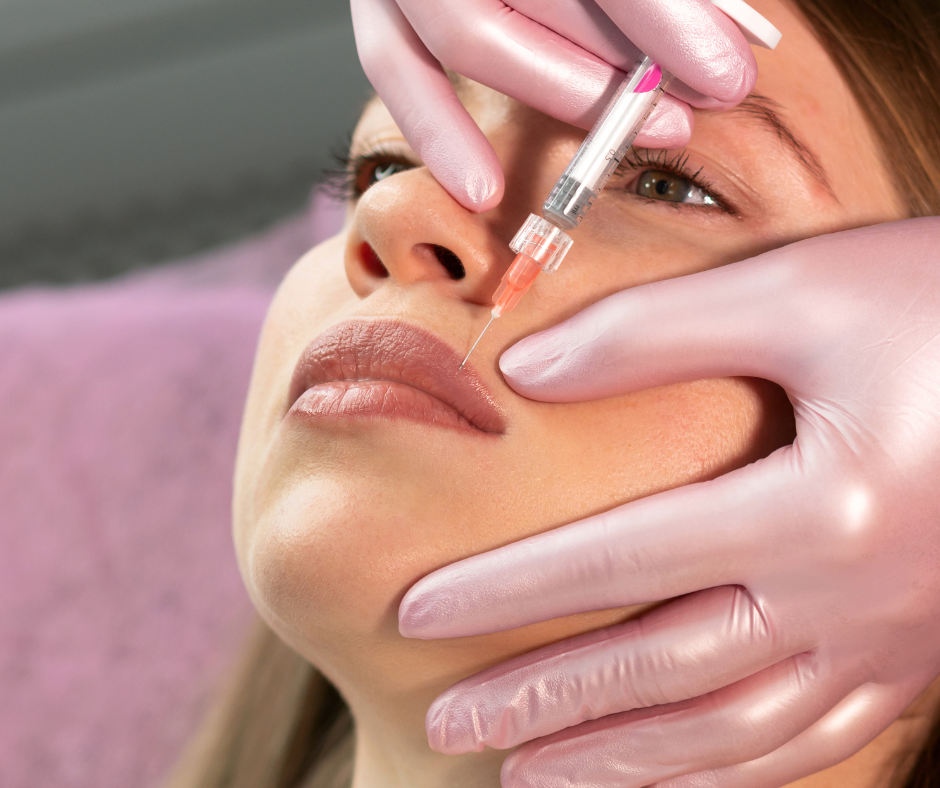
If you’re considering injectable treatments, it’s natural to wonder what to expect after fillers. While dermal fillers are minimally invasive, the skin still needs time to settle and integrate the product. Understanding the normal healing process helps set realistic expectations and ensures a smoother recovery.
Straight after fillers, it’s common to notice mild swelling, redness, or tenderness at the injection sites. Some areas may feel firm to the touch, and the treated region can appear slightly uneven at first. These effects are temporary and part of the body’s natural response to injection.
In some cases, small pinprick marks or minor bruising may be visible. These usually fade within a few days and can often be covered with makeup after the first 24 hours.
During the first 48 to 72 hours, swelling is typically at its peak. The area may feel tight or sensitive, especially in high-movement zones such as the lips or around the mouth. As swelling reduces, the filler begins to soften and settle into the surrounding tissue.
It’s normal for results to look slightly overcorrected at this stage. This does not reflect the final outcome.
By around 7 to 14 days, most swelling and bruising has resolved. The filler integrates fully with the tissue, and results look more natural and balanced. Any firmness continues to soften, and facial movement should feel completely normal.
This is the point at which results are properly assessed. If refinement is needed, it’s usually discussed at a review appointment once the filler has fully settled.
Normal after-effects include mild swelling, temporary asymmetry, tenderness, and bruising. These improve steadily over days rather than worsening.
Symptoms such as increasing pain, persistent redness, blanching of the skin, or changes in vision are not normal and require immediate medical assessment. Choosing a qualified practitioner and following aftercare guidance significantly reduces risks.
To support recovery, it’s usually advised to avoid intense exercise, heat, alcohol, and pressure on the treated area for the first 24 to 48 hours. Staying hydrated, sleeping with the head slightly elevated, and following specific aftercare instructions help fillers settle smoothly.
Most people experience a short settling period, with swelling reducing within a few days and final results visible by two weeks. Fillers should enhance facial features subtly, without feeling unnatural or uncomfortable. When performed correctly, recovery is straightforward, and results look balanced, refreshed, and in keeping with your natural facial structure.
Dermal fillers usually take 7 to 14 days to fully settle. During this time, any initial swelling or firmness gradually reduces, and the filler integrates with the surrounding tissue. Some areas, such as the lips, may feel settled sooner, while deeper structural areas can take the full two weeks. Final results should always be assessed after this settling period rather than immediately after treatment.
After face fillers, it’s recommended to do keep the area clean, stay well hydrated, and follow any personalised aftercare advice. It’s also helpful to sleep with your head slightly elevated for the first night. You should avoid strenuous exercise, excessive heat, alcohol, and direct pressure on the treated area for at least 24 to 48 hours, as these can increase swelling and bruising.
In the first few days after fillers, it’s best to avoid saunas, steam rooms, sunbeds, intense workouts, facial massages, and alcohol. Applying pressure to the treated area, including sleeping face-down or having facial treatments, should also be avoided until the filler has settled. These precautions help reduce inflammation and ensure the filler integrates smoothly for the best possible result.
