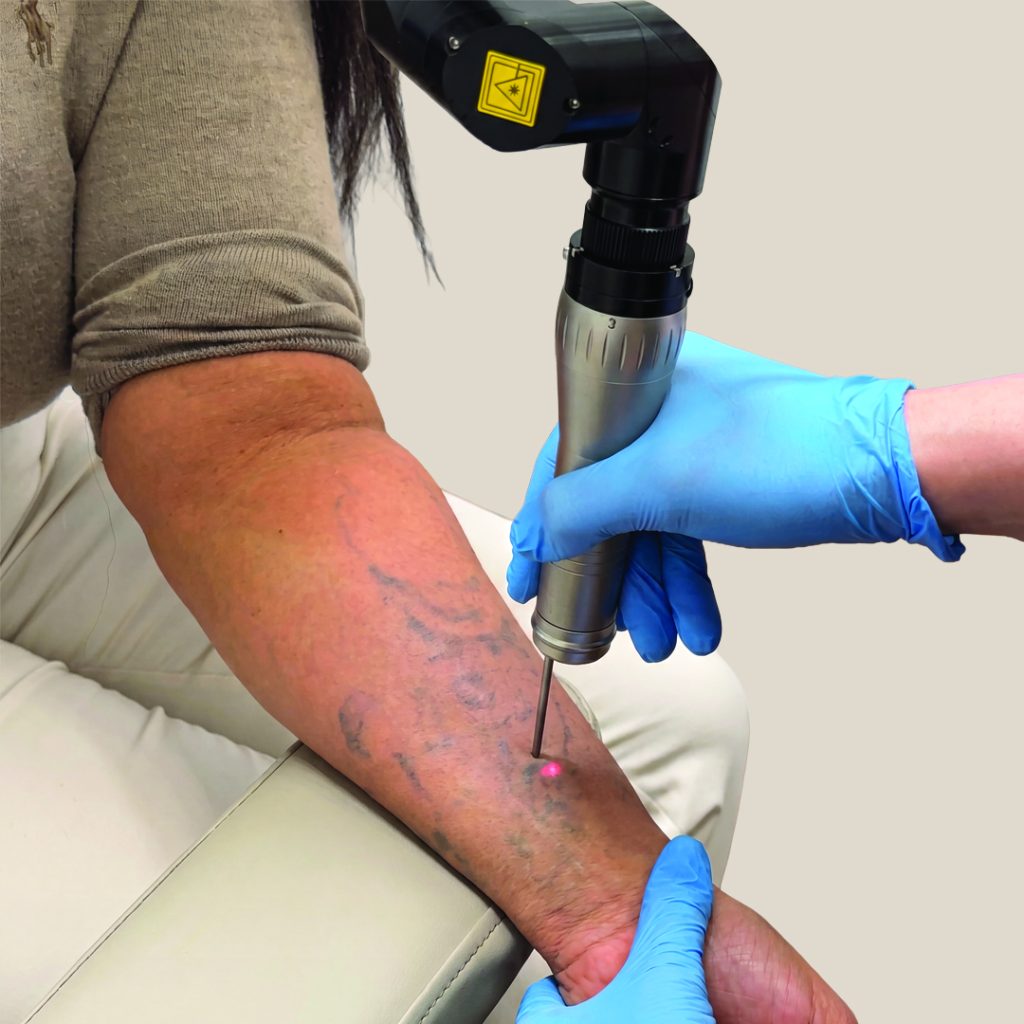
Laser tattoo removal is a gradual process that relies on the skin healing properly between sessions. While many people focus on how many treatments they will need, another important consideration is what happens afterwards. One of the most common questions is: can I go in the sun after tattoo removal?
According to Lana, Tattoo Removal Therapist in Ascot, protecting the skin from UV exposure is one of the most important parts of the tattoo removal journey.
Patients often focus on the treatment itself, but the healing period afterwards is equally important. The skin needs time to recover, and excessive sun exposure can increase the risk of irritation and pigmentation changes.
Laser tattoo removal works by breaking tattoo pigment into tiny particles that can be naturally cleared by the body’s immune system. At SRGN, this is achieved using the Picostar laser, an advanced picosecond laser that delivers ultra-short pulses of energy to target tattoo ink while minimising unnecessary heat to the surrounding skin.
Following treatment, the skin enters a healing phase. During this time, it can be more sensitive to ultraviolet radiation, making sun protection particularly important.
When asking can I go in the sun after tattoo removal, the safest approach is to avoid direct sun exposure until the treated area has fully healed.
Lana explains:
Even if the skin looks healed on the surface, there is still recovery taking place underneath. Exposing the area to strong sunlight too soon can interfere with that healing process and increase the risk of pigmentation issues.
This does not mean you need to stay indoors, but the treated area should be covered where possible and protected from prolonged exposure, particularly during peak UV hours.
One of the main concerns after tattoo removal is post-inflammatory hyperpigmentation. When healing skin is exposed to ultraviolet light, it may respond by producing excess pigment, causing temporary darkening or uneven skin tone.
Sun exposure can also prolong redness and increase skin sensitivity, making recovery slower between sessions.
Because tattoo removal is completed over a series of treatments, maintaining healthy skin between appointments is an important part of achieving optimal results.
Once the initial healing period has passed, daily sun protection remains essential throughout the tattoo removal process. Consistent use of a high-factor broad-spectrum sunscreen can help protect the skin and reduce the risk of pigmentation changes.
This becomes particularly important during holidays, outdoor activities, and throughout the summer months.
Understanding can I go in the sun after tattoo removal highlights why aftercare is so important. While modern technologies such as the Picostar laser have made tattoo removal more precise and effective than ever before, the quality of the final result also depends on how well the skin is cared for between sessions.
As Lana advises:
Think of aftercare as part of the treatment. Protecting the area from the sun gives your skin the best chance to heal properly and helps you achieve the clearest possible result.
By protecting the treated skin and following professional aftercare advice, you can support healthy healing and maximise the outcome of your tattoo removal journey.
After laser tattoo removal, it is generally recommended to avoid direct sun exposure until the treated area has fully healed. Healing times vary from person to person, but the skin is often more sensitive to ultraviolet light during this period. As Lana, Tattoo Removal Therapist in Ascot, advises, protecting the area from the sun between sessions helps reduce the risk of pigmentation changes and supports optimal healing.
After tattoo removal, it is important to avoid picking, scratching, or removing any scabs or blisters that may form during healing. Excessive heat, prolonged sun exposure, and activities that cause excessive friction on the treated area should also be avoided. Keeping the skin clean, protected, and following the recommended aftercare instructions can help minimise complications and support a smoother recovery.
No, tanning two days after laser tattoo removal is generally not recommended. At this stage, the skin is still healing and may be more vulnerable to irritation and pigmentation changes caused by ultraviolet exposure. Whether the treatment has been performed with a traditional laser or an advanced system such as the Picostar laser, allowing the skin sufficient time to recover before exposing it to the sun is important for achieving the best possible results.
