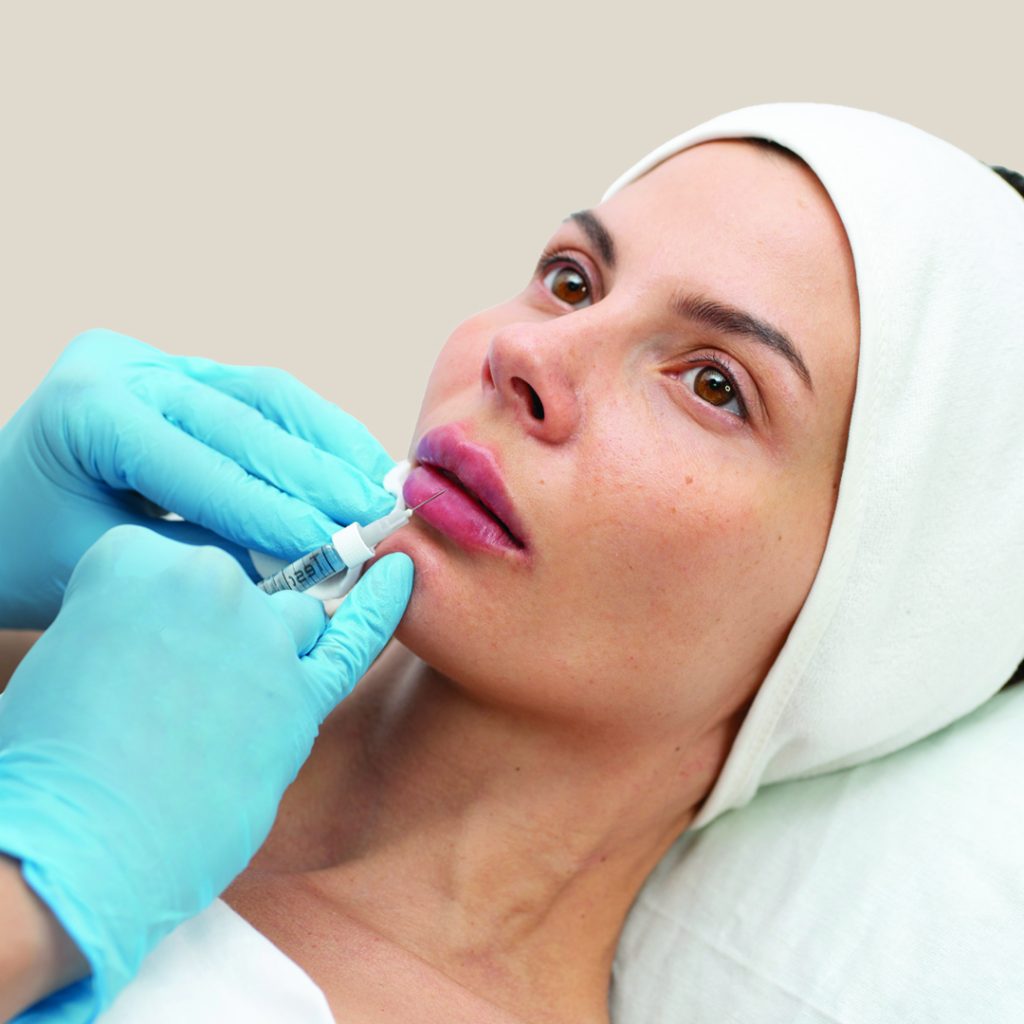
Dermal fillers are designed to enhance facial features, restore volume, and improve overall balance. When performed well, the results can be subtle and natural. However, there is a growing concern around treatments that appear excessive or artificial. This often leads to the question: how do you avoid the “overfilled” look?
The answer lies not in avoiding fillers altogether, but in how they are planned, applied, and maintained over time.
The “overfilled” appearance is usually the result of too much product being added, often over multiple sessions. When volume is increased beyond what the facial structure can naturally support, the features can begin to look heavy or distorted.
This effect is particularly noticeable in areas such as the cheeks, lips, and under-eye region, where even small changes can significantly impact facial balance.
When considering how do you avoid the “overfilled” look, the most important principle is restraint. Rather than aiming for immediate transformation, a gradual approach allows the face to adjust while maintaining its natural proportions.
Treatments performed over time, with careful assessment at each stage, help prevent overcorrection and preserve facial harmony.
Natural results depend on how well the features work together. The goal of dermal fillers should not be to enlarge individual areas, but to restore balance across the face.
For example, adding volume to the cheeks may reduce the appearance of lines elsewhere, meaning less product is needed overall. Understanding how different areas interact helps create a more refined and cohesive result.
The placement of filler is just as important as the amount used. Injecting too superficially or in the wrong area can create puffiness or an uneven appearance. Over time, this can contribute to the perception of an overfilled face.
A structured approach that considers depth, distribution, and facial anatomy is essential for achieving a natural outcome.
Another key factor is how treatments are maintained. Repeated treatments without allowing the previous filler to settle or naturally break down can lead to accumulation.
Spacing treatments appropriately and reassessing the face before each session helps avoid unnecessary volume and ensures that results remain balanced.
Understanding how do you avoid the “overfilled” look highlights a broader shift in aesthetic treatments. The focus is moving towards enhancing what is already there, rather than dramatically altering appearance.
When approached with precision and moderation, dermal fillers can create results that are subtle, proportionate, and in harmony with the natural structure of the face, allowing the individual to look refreshed rather than treated.
An overfilled face often appears swollen, heavy, or lacking natural definition. Features may look disproportionate, with areas such as the cheeks or lips appearing overly projected. In some cases, the natural contours of the face become blurred, and movement may look restricted. Rather than enhancing facial structure, excessive volume can create a uniform or “puffy” appearance that draws attention to the treatment itself.
Avoiding an overfilled appearance comes down to a gradual and balanced approach. Small amounts of filler, placed strategically over time, help maintain natural proportions and allow the face to adjust. Regular reassessment before additional treatment is important to prevent accumulation. Focusing on overall facial harmony rather than increasing volume in one area supports more refined and natural-looking results.
Certain areas of the face carry higher risk due to their vascular anatomy. Regions such as the nose, between the brows, and around the eyes require particular caution, as they contain important blood vessels. Incorrect placement in these areas can lead to complications. For this reason, detailed anatomical knowledge and careful technique are essential when treating high-risk zones.
