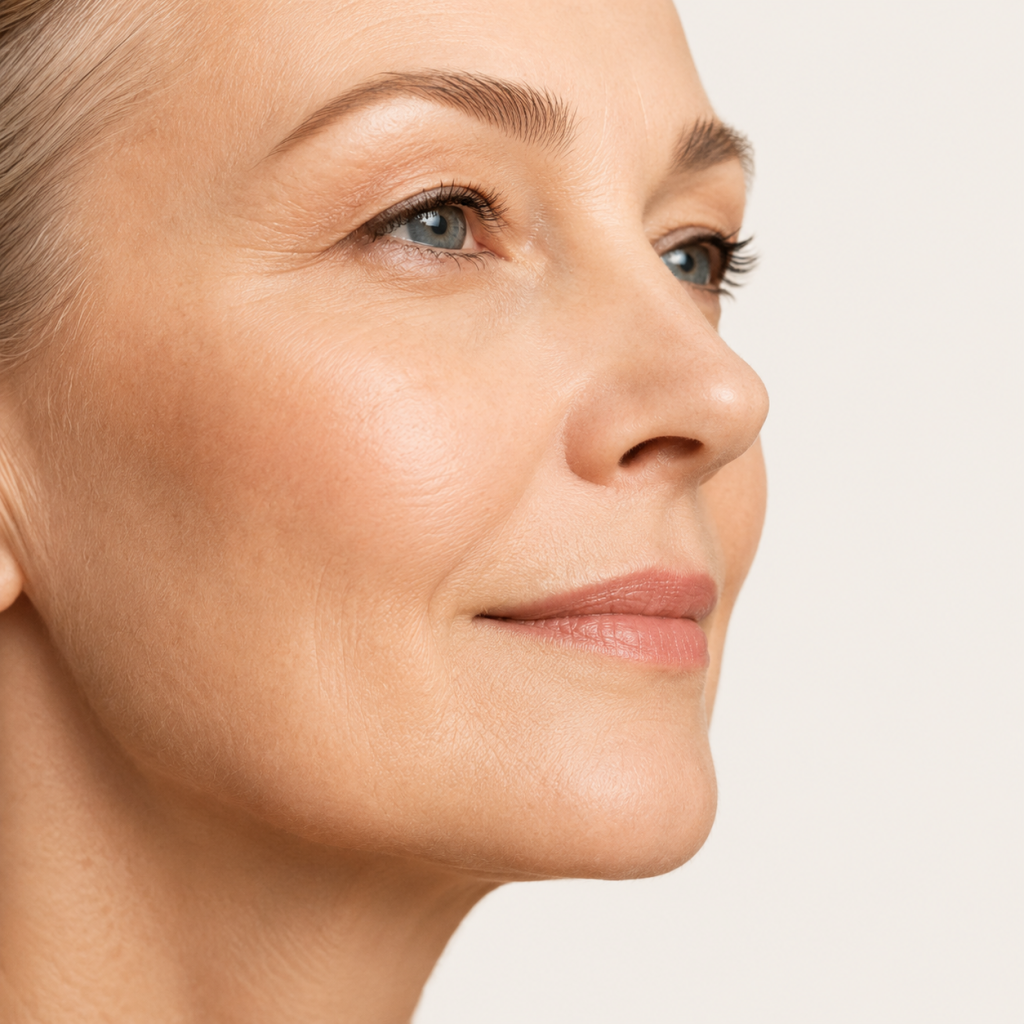
Hooded eyelids are one of the most common reasons people seek advice about facial ageing. While some individuals naturally have hooded eyes due to their anatomy, others notice a gradual change over time as the skin loses elasticity and begins to fold over the upper eyelid.
The result can be a tired, heavy, or older appearance, even when you feel well rested. This often leads to the question: who should I see for hooded eyelids?
The answer depends on the cause of the concern, but for many people, a consultation with a surgeon experienced in blepharoplasty is the most appropriate place to start.
Hooded eyelids can develop due to genetics, ageing, or a combination of both. As collagen and elastin levels decline, the skin around the eyes becomes thinner and less supportive. Over time, excess skin can accumulate on the upper eyelids, creating a heavier appearance.
In some cases, the hooding is mild and primarily cosmetic. In others, the excess skin may begin to interfere with makeup application or even affect the upper field of vision.
Because several factors can contribute to hooded eyelids, a proper assessment is essential before deciding on treatment.
When asking who should I see for hooded eyelids, it is important to seek advice from a practitioner who understands both the functional and aesthetic aspects of the eye area.
According to Dr Ayad Harb, Medical Director at SRGN Clinic, one of the most important parts of the consultation is determining the underlying cause of the hooding.
“Many patients assume they simply need excess skin removed, but the eye area is complex. The position of the brows, the quality of the skin, the underlying fat pads, and the overall facial structure all need to be considered before recommending treatment.”*
This is why patients with hooded eyelids are often best assessed by a surgeon experienced in facial rejuvenation and upper eyelid surgery.
For very early signs of skin laxity, non-surgical treatments that stimulate collagen production may help improve skin quality around the eyes. However, these treatments cannot remove excess eyelid skin.
Dr Ayad explains:
“When significant hooding is caused by excess skin, non-surgical treatments may improve skin quality, but they are unlikely to produce the same result as a well-performed upper blepharoplasty.”
This is why understanding the cause of the hooding is often more important than focusing on a particular treatment.
Upper blepharoplasty is a surgical procedure designed to remove excess skin from the upper eyelids. In selected cases, small amounts of underlying tissue may also be adjusted to create a smoother and more refreshed appearance.
The aim is not to change the shape of the eyes, but to restore a more open appearance while preserving the individual’s natural features.
According to Dr Ayad:
“A successful blepharoplasty should never make someone look like a different person. The goal is simply to remove the heaviness and restore a fresher version of the patient.”
Many patients choose upper blepharoplasty because it addresses the underlying cause of hooded eyelids rather than temporarily masking the appearance.
The procedure can help create a more defined upper eyelid, reduce the feeling of heaviness around the eyes, and improve overall facial freshness. For some individuals, it may also help improve peripheral vision when excess skin is affecting the upper visual field.
Because the eyes are often the first feature people notice, even subtle improvements can have a significant impact on overall appearance.
The eyelids are among the most delicate areas of the face, making experience particularly important when considering treatment.
Patients researching, who should I see for hooded eyelids, should look for a surgeon with extensive experience in blepharoplasty and facial aesthetics. A detailed consultation allows the anatomy of the eye area to be assessed properly and ensures that any treatment recommendation is based on the individual’s needs rather than a standard approach.
Understanding who should I see for hooded eyelids is often the first step towards finding the most appropriate treatment. Whether the concern is mild skin laxity or more significant hooding, a specialist assessment can help determine the cause and identify the most effective solution.
As Dr Ayad Harb advises, the best outcomes are achieved when treatment is tailored to the individual rather than the symptom alone. By understanding the anatomy of the eye area and selecting the right approach, it is possible to achieve a more open, refreshed, and natural-looking appearance.
Hooded eyelids are typically assessed and treated by a surgeon experienced in blepharoplasty and facial rejuvenation. The most appropriate specialist will evaluate whether the concern is caused by excess skin, changes in brow position, or other factors affecting the eye area. A thorough assessment helps determine whether upper eyelid surgery or an alternative treatment is the most suitable option.
Hashimoto's disease does not directly cause hooded eyelids, but thyroid-related conditions can sometimes contribute to changes around the eyes. Fatigue, swelling, fluid retention, and alterations in the tissues surrounding the eyes may affect their appearance. If drooping eyelids develop suddenly or are accompanied by other symptoms, a medical assessment is recommended to identify the underlying cause.
In some circumstances, upper eyelid surgery may be available through the NHS if the excess skin is significantly affecting vision or causing functional problems. Purely cosmetic concerns are not usually covered. Eligibility varies depending on local NHS criteria, and patients generally require an assessment to determine whether the hooding is causing a measurable impact on their visual field or daily activities.
