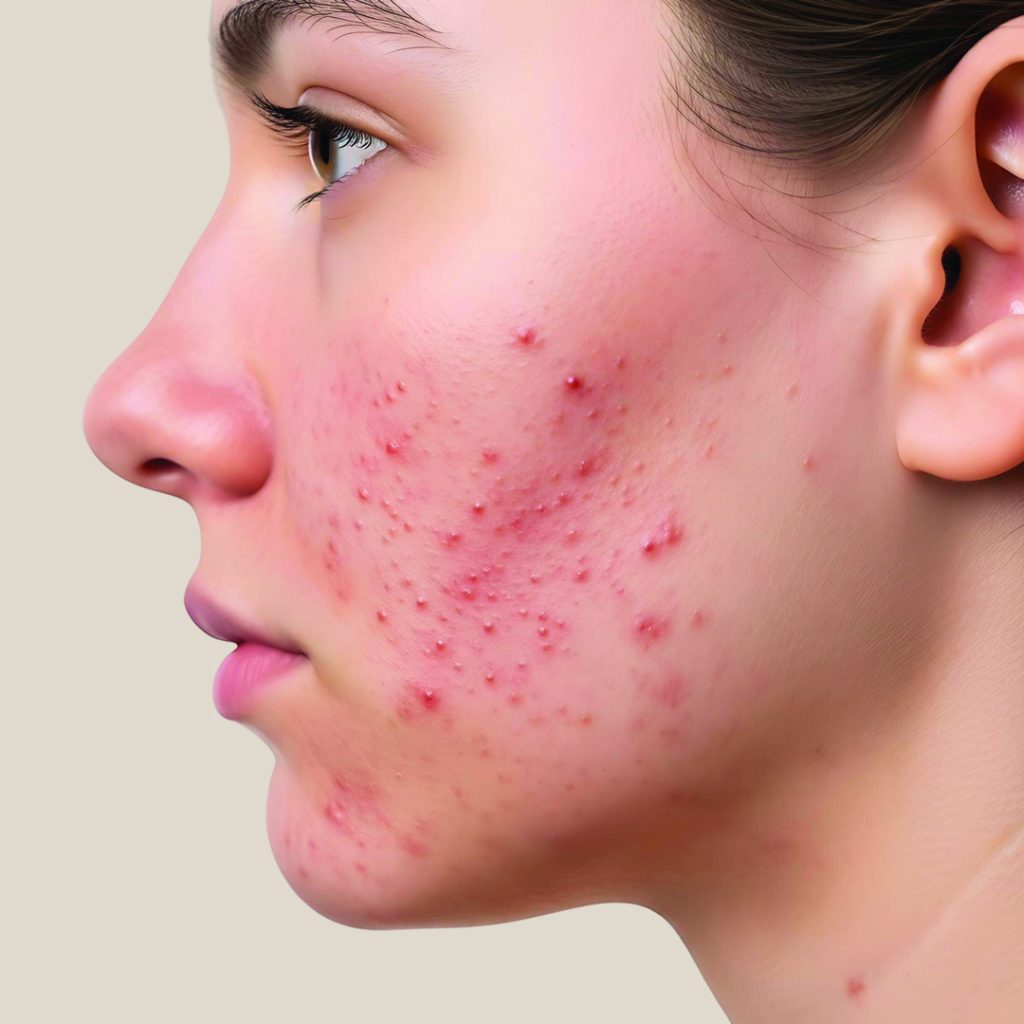
As winter fades, many people expect their skin to improve, yet breakouts, congestion, and uneven texture often become more noticeable. This leads to a common concern: why is my skin breaking out after winter?
The answer lies in how the skin adapts to seasonal changes and the build-up that occurs during colder months.
Throughout winter, the skin is exposed to cold air, low humidity, and indoor heating. These conditions weaken the skin barrier and slow down natural cell turnover. As a result, dead skin cells accumulate on the surface while heavier skincare products are often used to compensate for dryness.
This combination can lead to clogged pores, dullness, and imbalance — even if breakouts are not immediately visible.
When asking why is my skin breaking out after winter, it often comes down to what happens as the weather begins to change. Warmer temperatures and increased humidity stimulate oil production, and if the skin is already congested, this can quickly lead to blocked pores and breakouts.
At the same time, the skin may still be recovering from barrier damage caused by winter conditions, making it more reactive and prone to inflammation.
One of the key contributors to post-winter breakouts is the build-up of dead skin cells. When these cells are not shed effectively, they mix with oil and impurities, creating an environment where breakouts can develop more easily.
This is why simply switching skincare products is often not enough. The skin needs to be reset and rebalanced.
Addressing post-winter skin concerns often involves a combination of deep cleansing, exfoliation, and skin renewal. Treatments that focus on removing build-up and stimulating healthy skin turnover can be particularly effective.
Options such as Hydrafacial can help cleanse the pores, remove impurities, and restore hydration without irritating the skin. For more targeted resurfacing, chemical peels can gently exfoliate the surface, helping to clear congestion and improve overall skin tone.
In cases where deeper renewal is needed, treatments such as CO2 laser resurfacing or technologies like SylfirmX can support skin regeneration and improve texture over time. These approaches work beneath the surface to stimulate collagen and refine the skin’s structure.
More advanced options, such as Cool Laser, can also support skin clarity and renewal, particularly when the skin requires a more controlled and targeted approach.
Understanding why my skin is breaking out after winter highlights the importance of adapting your skin strategy with the seasons. Rather than focusing solely on hydration, the priority at this stage is to clear congestion, restore balance, and support healthy skin function.
With the right combination of treatments and care, the skin can transition out of winter stress and return to a clearer, more balanced state, ready for the months ahead.
Yes, winter can contribute to skin breakouts, although the causes are often indirect. Cold weather, low humidity, and indoor heating can disrupt the skin barrier, leading to dryness and imbalance. In response, the skin may produce more oil, while dead skin cells build up on the surface. This combination can clog pores and create the conditions for breakouts, particularly as the seasons begin to change.
There is no universal list of foods that cause acne for everyone, but certain dietary patterns may contribute to breakouts in some individuals. Diets high in refined sugars, processed foods, and dairy products have been associated with increased inflammation and oil production. Rather than focusing on strict avoidance, maintaining a balanced diet and observing how your skin responds to specific foods is often a more practical approach.
PCOS-related acne often appears as deep, inflamed breakouts, typically concentrated around the lower face, jawline, and chin. These spots can be more persistent and may not respond easily to standard skincare treatments. The condition is linked to hormonal imbalance, which increases oil production and inflammation. As a result, breakouts may occur regularly and require a more targeted and consistent approach to manage effectively.
