Posted on 19 August 2026
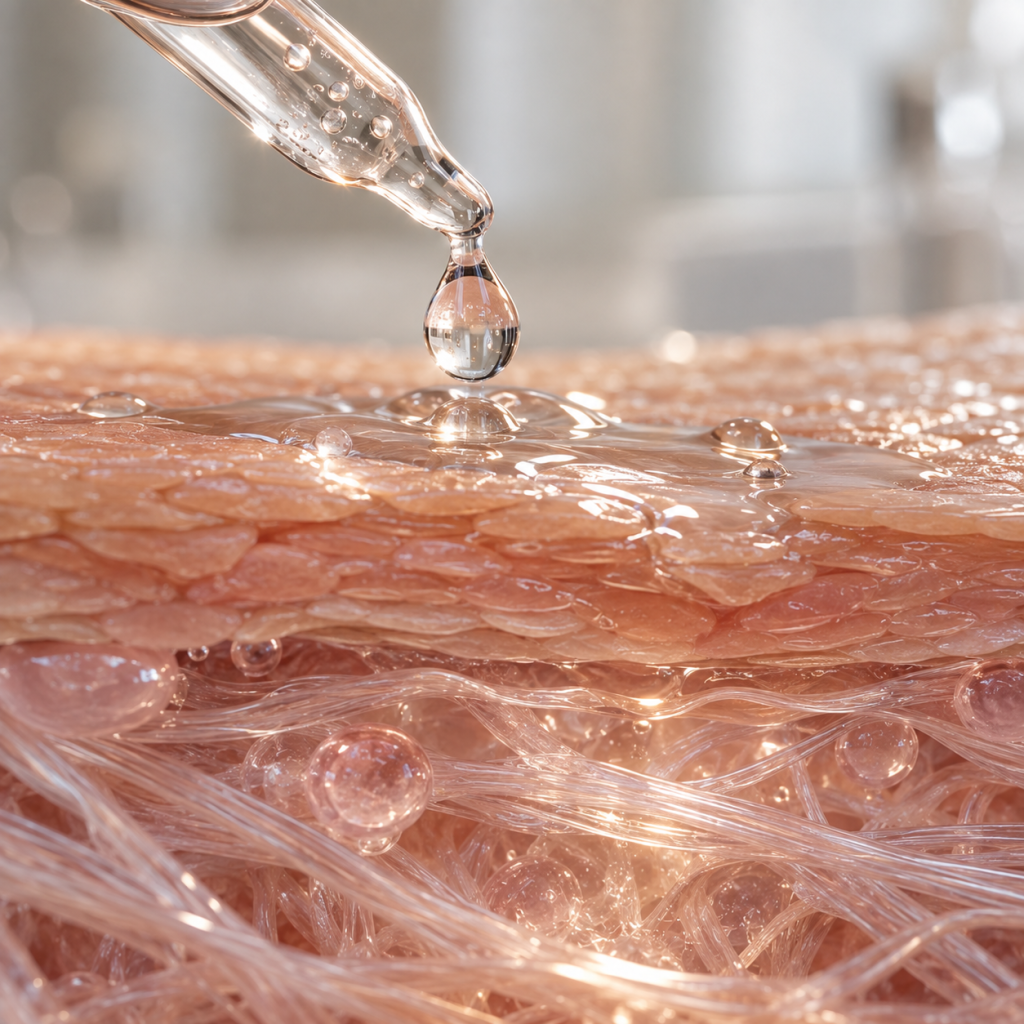
A healthy skin barrier does far more than keep the surface of the skin looking smooth. It helps retain moisture, protects against environmental stressors and supports the skin’s ability to function normally. When that barrier becomes compromised, the signs can be surprisingly varied. Skin may feel tight, dry or unusually sensitive. Redness can become more noticeable, texture may become rougher, and products that were previously well tolerated may suddenly cause discomfort.
For Mo Harb, the first step is not necessarily to reach for a stronger treatment. He explains that when skin is already stressed, the priority should be understanding why it has become reactive and creating the right conditions for recovery. This is where the idea of cellular biocompatibility becomes particularly relevant. Rather than forcing rapid change, the focus is on treatments that work alongside the skin’s own biological processes. Polynucleotides and exosome-based therapies are two regenerative approaches increasingly discussed within this area.
Cellular biocompatibility can be understood as working with the skin rather than overwhelming it. The skin already has its own mechanisms for renewal and repair. Aesthetic treatment should therefore support those processes rather than continually placing the tissue under unnecessary stress.
Mo notes that one of the most common issues he sees is skin that has been overtreated, whether through excessive exfoliation, too many active skincare ingredients or repeated procedures without sufficient recovery time between them. When the skin barrier is already compromised, doing more is not always better. In many cases, the priority is first to reduce irritation, support hydration and allow the skin to stabilise before introducing more advanced regenerative treatments.
Polynucleotides have become increasingly popular because their purpose is very different from simply adding volume. They are used as a regenerative skin treatment and are commonly chosen when the skin appears dehydrated, thin, tired or less resilient. According to Mo Harb, this is where polynucleotides become particularly interesting. Rather than trying to reshape the face, the focus is on improving the quality of the skin itself.
Polynucleotides are introduced through small injections and are used to support hydration, elasticity and the biological processes associated with tissue repair. The improvement is gradual rather than immediate. For Mo, this is an important distinction. Polynucleotides should not be presented as a treatment that instantly repairs damaged skin. Instead, the aim is to support a healthier skin environment so that texture, hydration and overall resilience can improve progressively.
Although both are injectable treatments, polynucleotides and dermal fillers serve different purposes. Dermal fillers are generally used to restore volume, improve structure or enhance facial proportions. Polynucleotides focus primarily on skin quality. Mo explains that not every sign of ageing should automatically be treated with additional volume. Fine creasing, dehydration and a loss of elasticity can sometimes be better addressed by improving the quality of the skin itself.
This shift towards regenerative treatments reflects a broader change within modern aesthetics: focusing less on changing the face and more on helping the skin look healthier and function more effectively.
Exosome treatment is another rapidly developing area within regenerative aesthetics. They are tiny extracellular vesicles involved in communication between cells and have become the focus of growing research into skin repair and regeneration. Within aesthetics, exosome-based preparations are often used alongside procedures such as microneedling. Mo describes their role as supporting the environment surrounding the skin’s natural repair response rather than replacing that process.
Microneedling creates controlled microchannels within the skin, stimulating a repair response. Exosome-based topical products may then be incorporated into the treatment protocol with the aim of supporting recovery and overall skin quality. However, Mo is also careful about how exosomes are discussed. The science is developing, but they should not be described as being able to completely regenerate damaged skin, reverse ageing or act as a substitute for the skin’s natural healing mechanisms. Responsible aesthetics means recognising the difference between promising research and a guaranteed clinical result.
One of the central principles behind regenerative aesthetics is knowing when to stimulate the skin and when to allow it to recover. Mo believes that the strongest treatment is not automatically the best treatment. When skin is already inflamed, sensitised or visibly compromised, performing an aggressive procedure can sometimes add further stress. The condition of the skin should therefore guide the treatment plan.
In some cases, the right approach may initially be a simplified skincare routine and barrier support. Once the skin is stable, treatments such as polynucleotides or carefully planned microneedling with an exosome-based protocol may be considered. Timing is just as important as the treatment itself.
Skin naturally changes as we get older. Collagen levels gradually decline, hydration may decrease and the skin can become thinner and less resilient. Environmental factors, particularly long-term sun exposure, can accelerate these changes. For Mo, this is why an ageing skin assessment should involve more than looking at individual wrinkles. Hydration, elasticity, texture, sensitivity and overall skin quality are equally important. Sometimes a patient may be focused on fine lines, while the bigger issue is actually dehydration or deteriorating skin quality. Treating only the wrinkle may therefore miss the underlying concern. This is where regenerative treatments can offer a different perspective.
Advanced treatments cannot compensate for an unsuitable skincare routine. When the barrier is compromised, simplicity is often more useful than adding additional active ingredients. Mo frequently advises looking carefully at the patient’s existing skincare before considering further treatment. Over-exfoliation and excessive use of active ingredients can leave the skin chronically irritated, particularly when several products are combined. Daily sun protection, appropriate moisturisation and consistent hydration remain fundamental. Regenerative treatments should complement these basics rather than replace them.
Another important part of Mo Harb’s approach is managing expectations. Regenerative aesthetics does not usually produce an overnight transformation. Whereas some aesthetic procedures can create an immediately visible structural change, treatments focused on skin quality depend on the skin’s biological response. Improvements in hydration, texture and elasticity therefore develop progressively. This slower change can often be an advantage. Rather than making the face look noticeably treated, the aim is for the skin to gradually appear healthier, smoother and more resilient.
For Mo, exosomes and polynucleotides should not be treated as interchangeable products or miracle solutions. Polynucleotides are particularly relevant when the goal is to support hydration, elasticity and skin quality without adding significant volume. Exosome-based treatments may be considered alongside procedures such as microneedling, where the skin’s natural repair response has already been stimulated.
The treatment plan must still be individual. Skin type, sensitivity, existing barrier damage, previous procedures and the patient’s concerns all influence whether treatment is appropriate and which approach should be used. Sometimes the most appropriate decision is also to delay treatment until the skin is healthier.
Restoring a Damaged Skin Barrier Using Cellular Biocompatibility represents a broader shift in how skin rejuvenation is approached. Rather than simply asking how a wrinkle can be removed or how the skin can be resurfaced more aggressively, practitioners such as Mo Harb are increasingly considering the health and behaviour of the skin itself. Polynucleotides and exosome-based treatments form part of this growing regenerative approach, focusing on skin quality, cellular communication and the biological processes involved in repair.
The science surrounding some of these technologies, particularly exosomes, continues to evolve. Maintaining realistic expectations is therefore essential. For Mo, the principle is straightforward: effective aesthetic treatment should respect the biology of the skin. The goal is not simply to make skin look as though it has been treated, but to help it look healthier, more resilient and naturally refreshed.
Yes, in many cases a damaged skin barrier can recover. The skin naturally renews itself, but recovery depends on the cause and extent of the disruption. Simplifying skincare, avoiding excessive exfoliation, supporting hydration and using daily sun protection can help restore normal barrier function. Regenerative treatments such as polynucleotides may also be considered to support overall skin quality, although they should complement good skincare rather than replace it.
Stem cells naturally present within the skin play an important role in renewal and wound repair. Stem-cell therapies are also being investigated for regenerative medicine, including difficult-to-heal wounds, but many applications remain specialised or experimental rather than routine cosmetic treatments. Exosomes are different: they are not stem cells, but microscopic vesicles involved in communication between cells. Claims that cosmetic exosome treatments contain or replace stem cells should therefore be treated cautiously.
There is no universally recognised “4 C's of wound healing” framework for cosmetic skin regeneration. In surgical wound assessment, however, the traditional four C's are colour, consistency, contractility and capacity to bleed. They are used to help clinicians assess whether injured muscle tissue remains viable. They should not be confused with the normal biological stages of skin healing or with treatments designed to improve the skin barrier.
