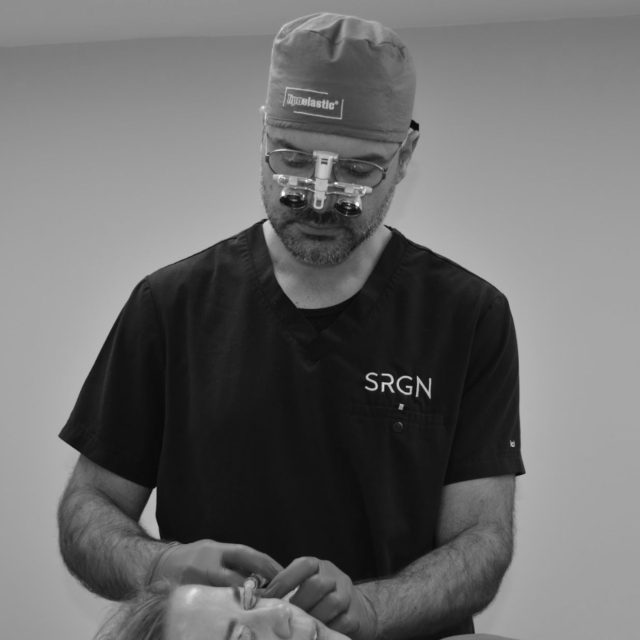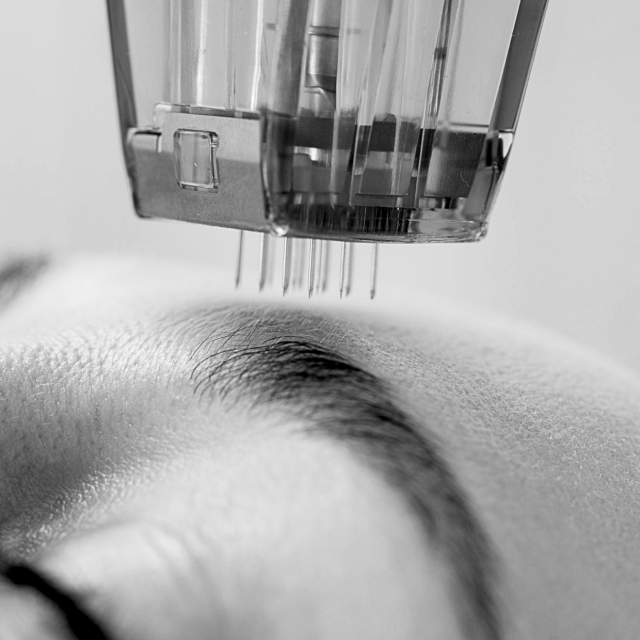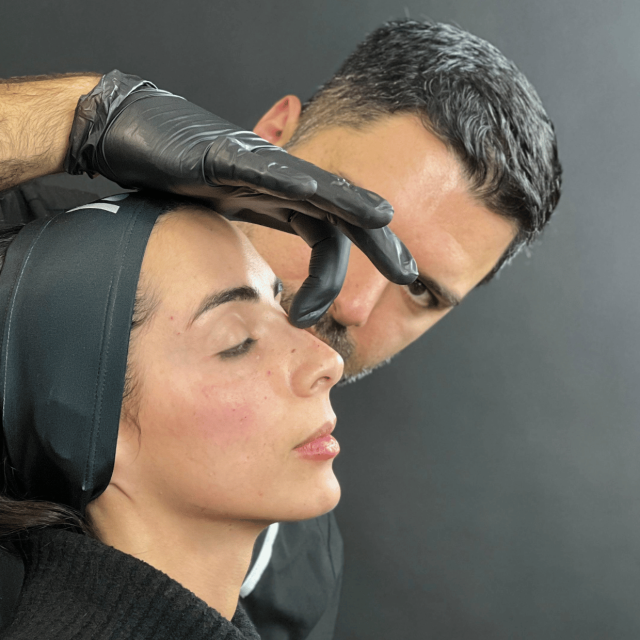
Nose filler, also called non-surgical rhinoplasty, uses injectable fillers to change the nose’s shape. A consultation can help you understand the possibilities, limitations and whether the treatment is suitable for you.
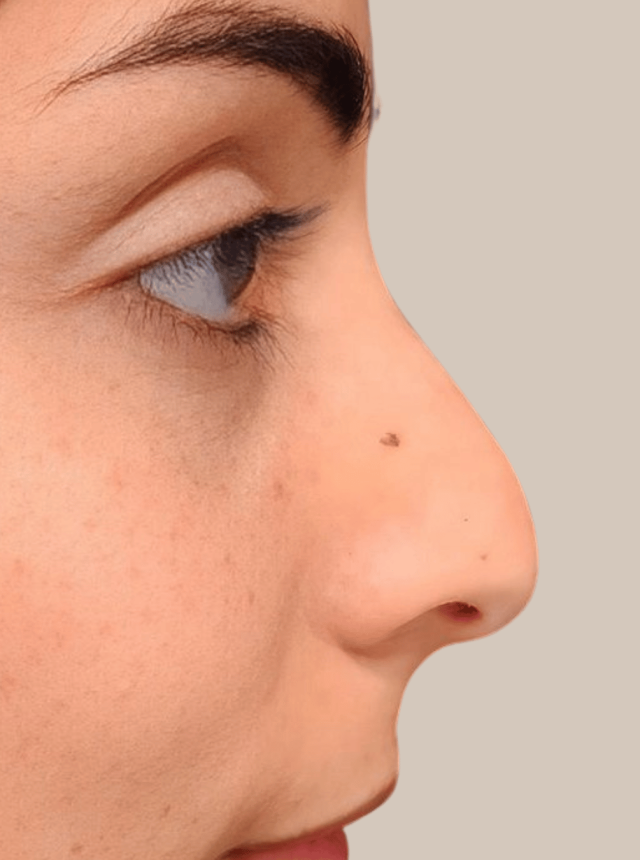
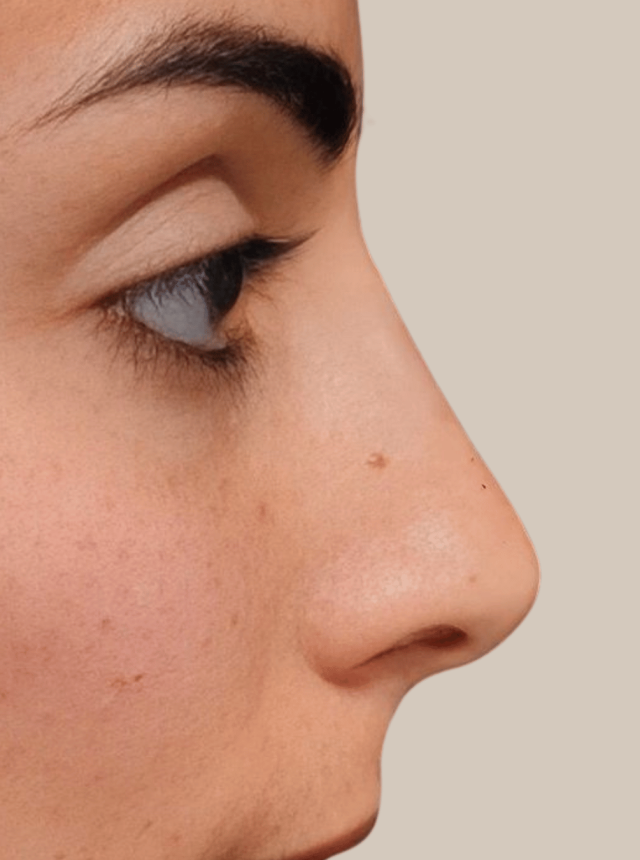

Nose filler, also known as non-surgical rhinoplasty, uses injectable dermal fillers to adjust the contours of the nose. Dr Ayad introduced his 3-point Rhino® technique in 2014.
Hyaluronic acid fillers can address some concerns about bumps, asymmetry or the nasal tip. Treatment is planned around your facial proportions and the changes you would like to discuss.
Dr Ayad and his team have performed over 12,000 nose treatments. At your consultation, they will explain what filler can achieve, its limitations and the risks involved, so you can make an informed decision.
Filler adds volume and does not remove bone or cartilage to make the nose smaller. Breathing concerns need a separate clinical assessment. Previous surgery or filler can affect suitability, so bring your treatment history to the consultation.
Whether you’re looking for a subtle refinement or a more noticeable transformation, nose fillers at SRGN Clinics provide a safe, effective solution to achieving the nose you’ve always wanted.
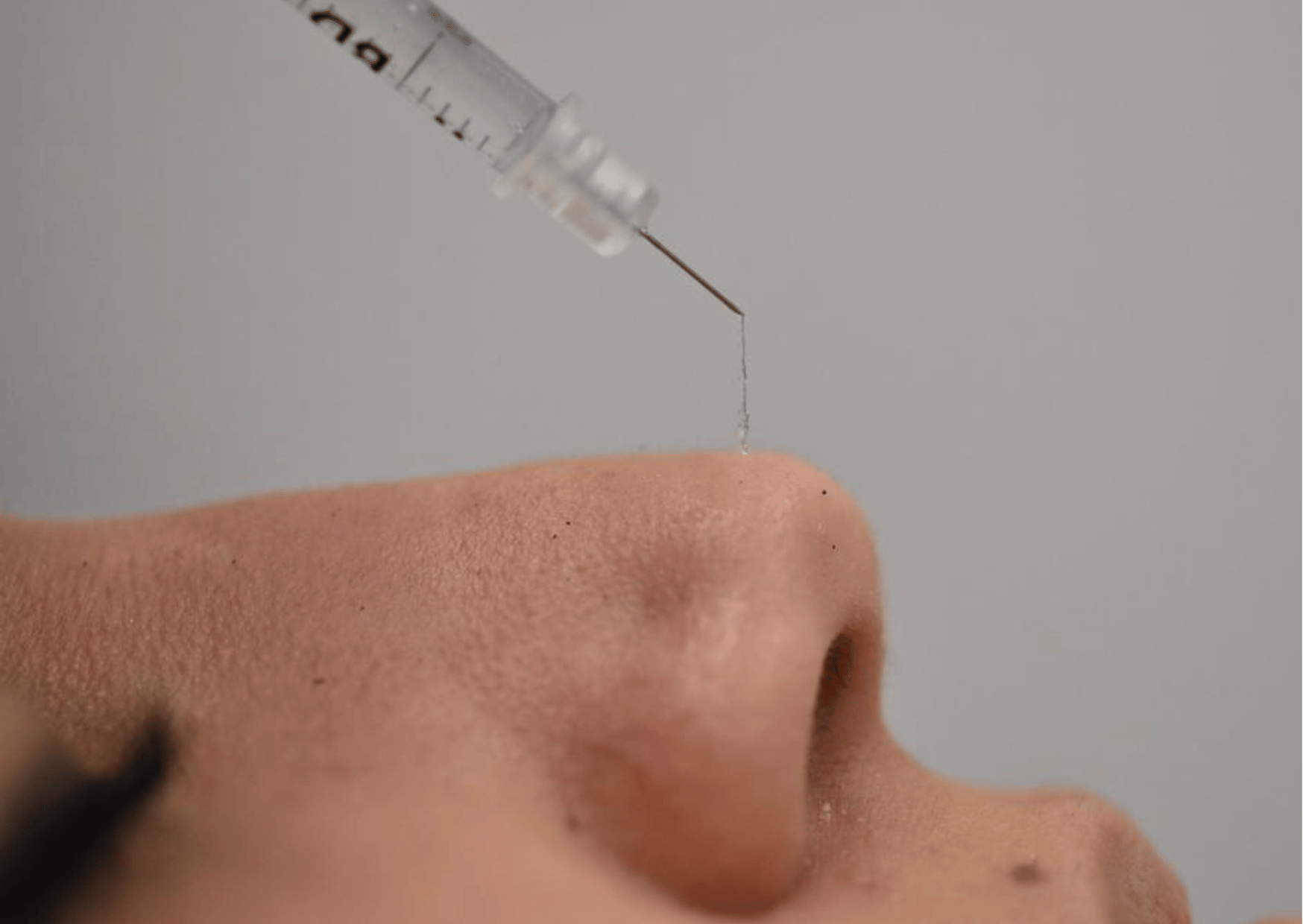
We begin by listening to your concerns and assessing your nose. Your practitioner will explain the proposed treatment, likely results and aftercare, and give you time to ask questions.
Treatment usually takes 15–30 minutes. Your practitioner will discuss discomfort, recovery and when you can return to your usual activities. Dr Ayad’s work has featured on This Morning and BBC1’s The Truth About Cosmetic Surgery.
If you are considering nose filler, our team can help you arrange a consultation and understand your options.
Bruising and swelling can occur. Rare serious complications include blocked blood vessels, tissue damage and sight loss. Dissolving hyaluronic acid filler does not guarantee reversal of every complication. Discuss your individual risk and the clinic’s follow-up arrangements before treatment.
For a fuller explanation, read our non-surgical rhinoplasty guide, check the current price list and view Dr Ayad Harb’s credentials. Confirm your practitioner and treatment location when booking.
Longevity varies with the product, previous treatment and individual response. Ask your practitioner what to expect and when reassessment may be appropriate; maintenance is not automatically necessary on a fixed timetable.
Nose filler has risks, including bruising, swelling and rare serious vascular complications that may cause tissue damage or sight loss. An experienced practitioner should assess suitability and explain their complication and follow-up arrangements.
Check SRGN’s current price list and request an individual quotation after assessment. Confirm which practitioner, product, follow-up and clinic are included before booking.
No practitioner can guarantee that complications will not occur. Discuss the risks relevant to your anatomy and treatment history, including any previous nose surgery or filler, and ask how a problem would be managed.
Discomfort varies. Ask about available pain relief and what swelling or tenderness to expect afterwards. A short appointment does not mean treatment is painless or recovery-free.