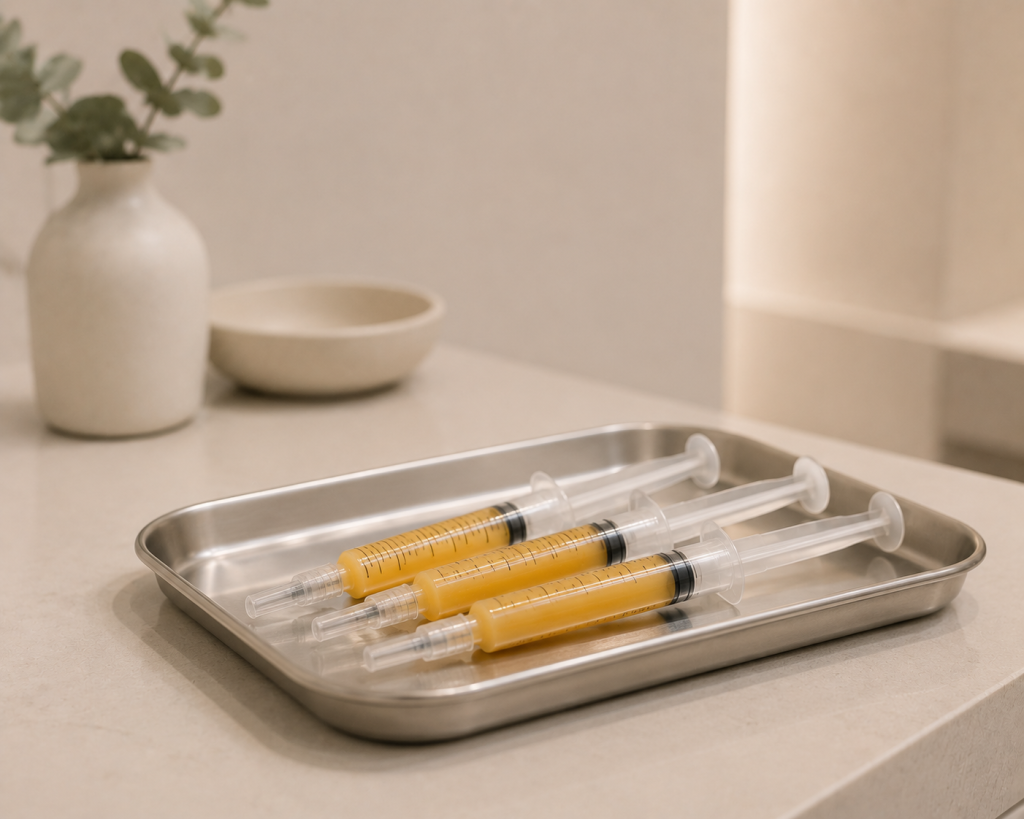
Fat transfer has become one of the most sought-after procedures in facial rejuvenation because it restores lost volume using the patient’s own tissue. Unlike dermal fillers, fat transfer combines body contouring with facial restoration, making it a highly specialised procedure. This often leads to the question: who specialises in fat transfer?
The answer is important because fat transfer is not simply an injectable treatment. It is a surgical procedure that requires expertise in liposuction, fat processing, facial anatomy, and aesthetic balance to achieve predictable, natural-looking results.
Fat transfer, also known as fat grafting or autologous fat transfer, involves removing fat from one area of the body, carefully preparing it, and reinjecting it into another area where volume has been lost.
In facial rejuvenation, fat transfer is commonly used to restore volume to the cheeks, temples, under-eye area, jawline, and around the mouth. Because the transferred tissue comes from the patient’s own body, it offers a natural way to replace volume that has diminished through ageing or weight loss.
When asking who specialises in fat transfer, patients should look for a plastic surgeon with specific experience in fat grafting procedures.
According to Dr Ayad Harb, Medical Director at SRGN:
“Fat transfer is one of the most technically demanding procedures in facial rejuvenation. Success depends not only on where the fat is placed, but also on how it is harvested, processed, and carefully reintroduced into the tissues.”
This combination of surgical precision and aesthetic judgement is what makes specialist experience so important.
Although both fat transfer and dermal fillers restore volume, they work in very different ways.
Dermal fillers are injectable products placed directly into the tissues, whereas fat transfer requires harvesting living fat cells through liposuction before they are purified and reinjected.
Dr Abdul-Karim Nassimizadeh explains:
“With fat transfer, every stage of the procedure influences the final result. Gentle harvesting, careful handling of the fat cells, and meticulous placement all help maximise the survival of the transferred fat and create a natural-looking outcome.”
Because the procedure combines two surgical techniques, it requires skills that extend beyond injectable treatments alone.
A successful fat transfer should enhance the face without making it look overfilled.
Rather than simply replacing lost volume, the procedure should restore facial proportions and support areas affected by ageing. The aim is to soften hollows, improve contours, and refresh the face while preserving natural expression.
This requires a detailed understanding of facial anatomy and how ageing affects different layers of the face.
Fat transfer is often suitable for individuals who have experienced facial volume loss due to ageing or weight loss and have sufficient donor fat available elsewhere on the body.
It can be particularly beneficial for patients seeking a longer-lasting alternative to dermal fillers or those who prefer using their own tissue for facial rejuvenation.
Not everyone is an ideal candidate, which is why a thorough consultation is an essential part of the treatment process.
Fat transfer is a procedure where experience can significantly influence the outcome. The surgeon must decide how much fat to transfer, where to place it, and how to create a balanced result that complements the patient’s natural facial structure.
According to Dr Ayad:
“The objective isn’t to make someone look different. It’s to restore the volume that has naturally been lost over time, allowing the face to look healthier, fresher, and more balanced.”
Understanding who specialises in fat transfer is about recognising that the procedure combines liposuction, reconstructive principles, and facial aesthetics. Choosing an experienced plastic surgeon with expertise in fat grafting helps ensure that each stage of the procedure is carefully planned and tailored to the individual.
At SRGN, Dr Ayad Harb and Dr Abdul-Karim Nassimizadeh perform facial fat transfer with a personalised approach, focusing on restoring natural volume, preserving facial harmony, and achieving results that age gracefully over time.
There is no single country that is considered the best for breast fat transfer. The most important factor is choosing an appropriately qualified plastic surgeon with experience in fat grafting procedures rather than selecting a destination based on location alone. Patients should consider the surgeon's expertise, the quality of aftercare, and the clinic's safety standards when making their decision.
The cost of fat transfer varies depending on the area being treated, the complexity of the procedure, and the amount of fat that needs to be harvested and transferred. Because fat transfer is a personalised surgical procedure, an assessment is usually required before an accurate treatment plan and quotation can be provided.
Fat transfer is generally considered a safe procedure when performed by an experienced plastic surgeon on appropriately selected patients. However, like any surgical procedure, it carries potential risks, including bruising, swelling, infection, bleeding, uneven results, and partial absorption of the transferred fat. A thorough consultation, careful surgical technique, and appropriate aftercare all play an important role in reducing the risk of complications.
